
The Numbers Behind a High Energy Activation
By Dan Ranjit
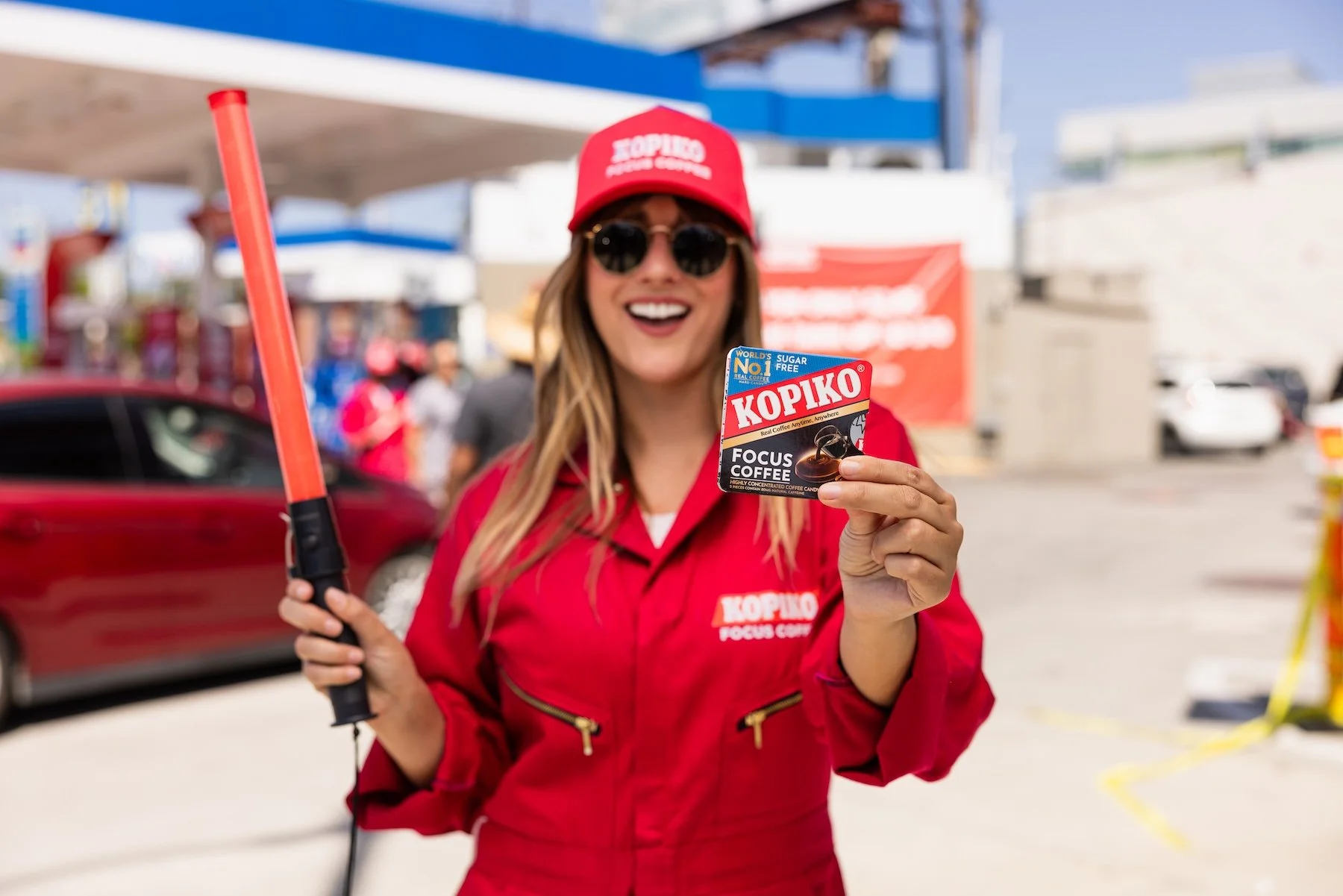
At 11 a.m., the Kopiko Focus Coffee activation at Santa Monica and Westwood boulevards was supposed to open for another controlled two-hour window. Instead, cars approached the Mobil station from four directions. The line reached around the block and into nearby residential streets. Drivers blocked bus stops, neighbors complained, and I stepped into traffic with a safety wand while moving between client conversations and on-site decisions.
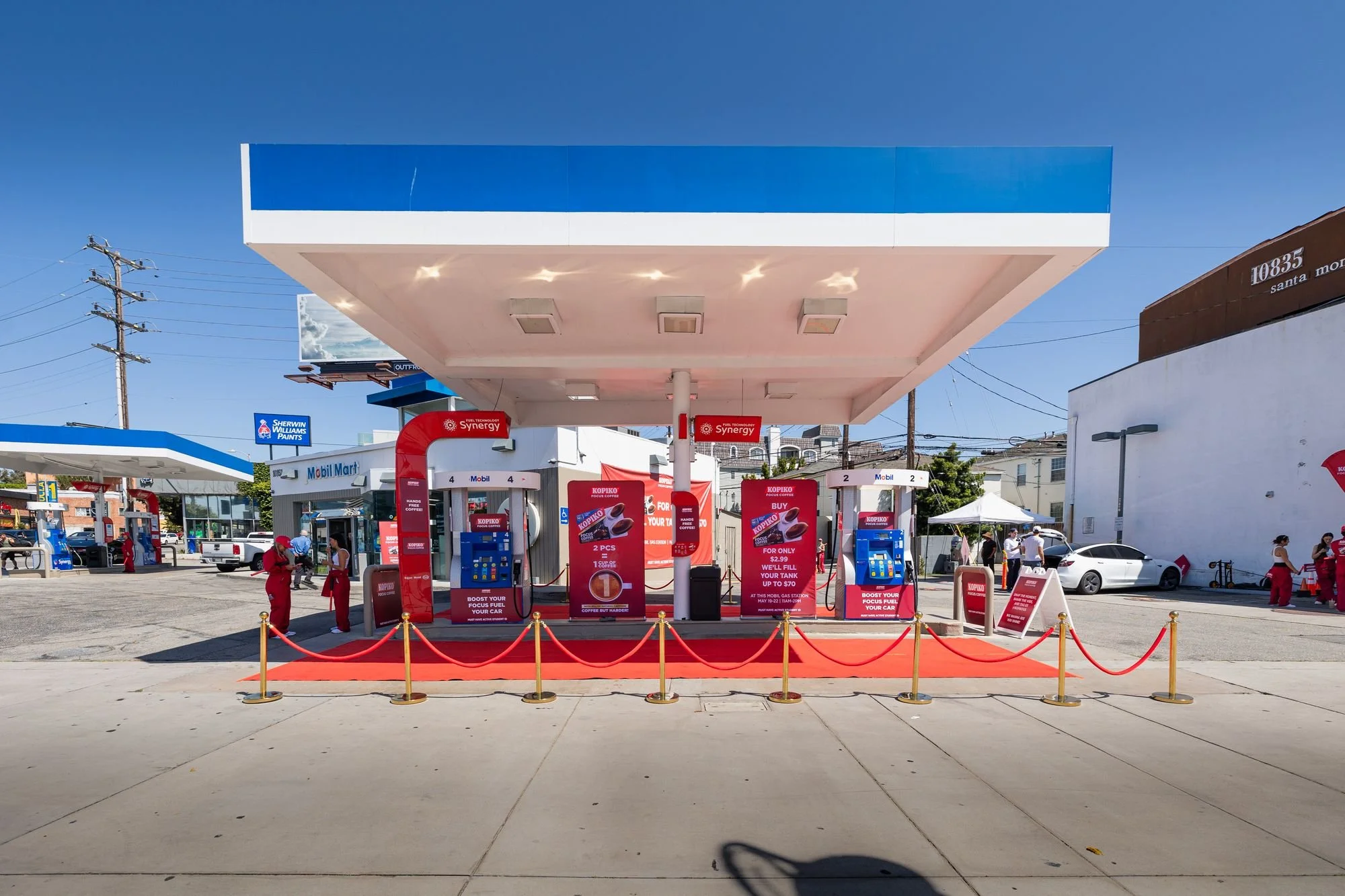
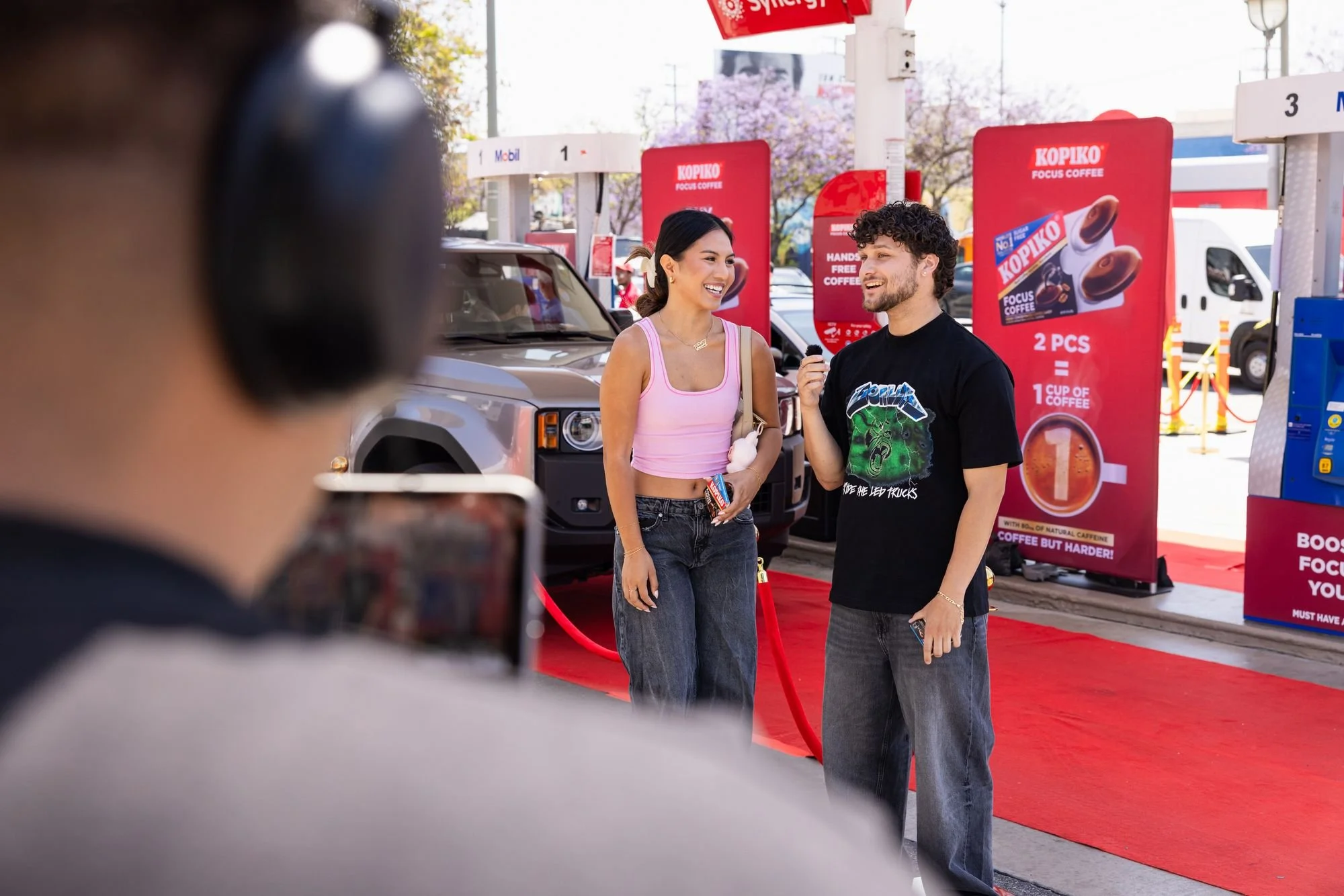
Inside the footprint, the experience felt entirely different. Students moved down a branded red carpet, bought Kopiko Focus Coffee, received up to $70 in free gas and left to music playing at the pumps. By the time drivers reached the front, the traffic behind them was out of sight.
That contrast captures the production story behind the Kopiko sampling activation in Los Angeles. The public-facing experience looked simple and upbeat. Making it work required a clear product idea, a carefully chosen location, fast creative adaptation, and constant operational decisions across four event days.
The campaign eventually reported 9,000 gallons of fuel distributed, 119 million in audience reach, 43 million social media views and 950,000 onsite impressions. Those figures describe the scale. The more useful story for brands and producers is how the program reached that scale in less than four weeks, and what we would build differently today.
The Idea Connected Product Energy With a Real Need
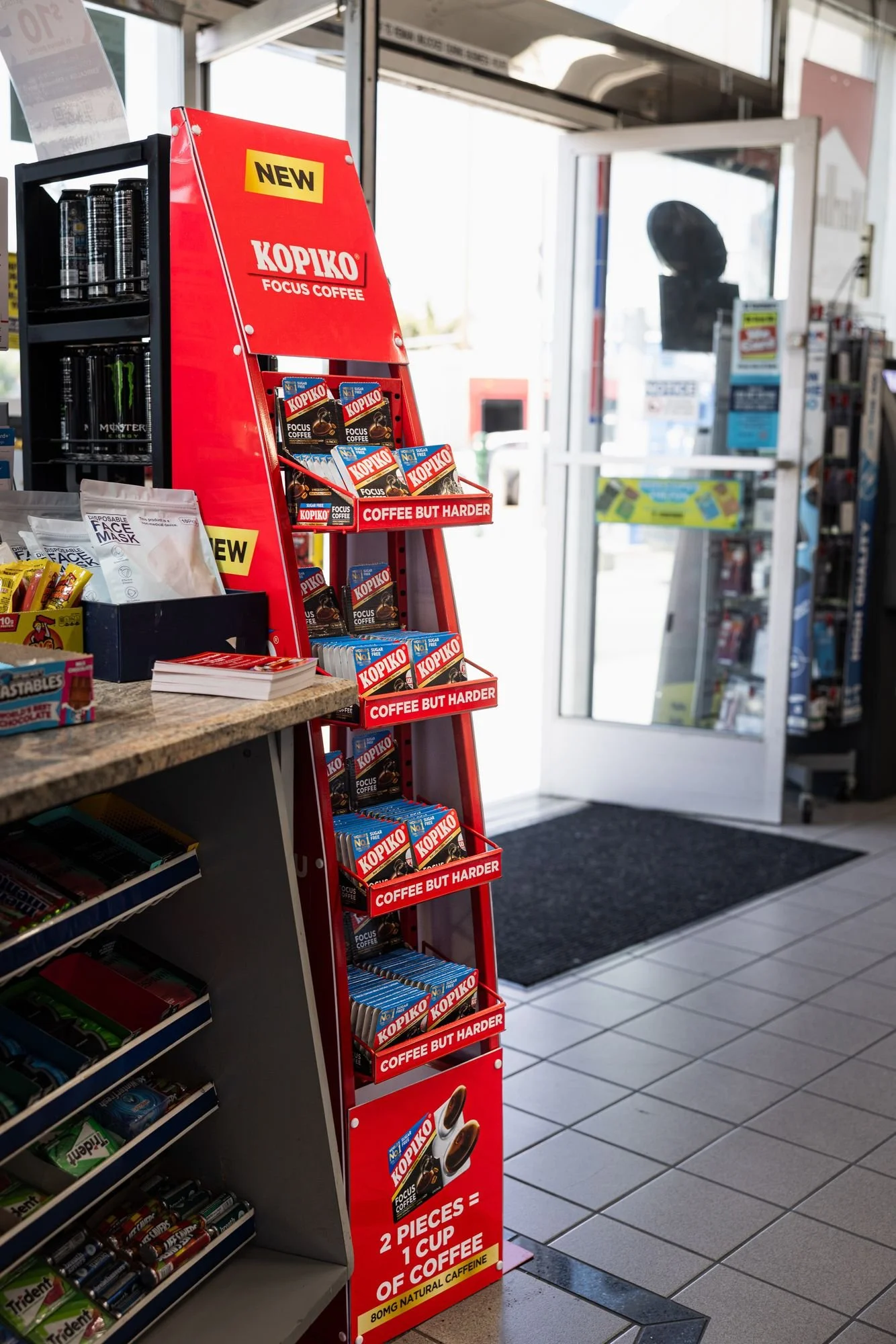
Kopiko was preparing to introduce Focus Coffee, a caffeinated candy, to the U.S. market. Los Angeles was a priority market, and college students were the intended audience. The challenge was to explain an unfamiliar product format while giving students a reason to pay attention.
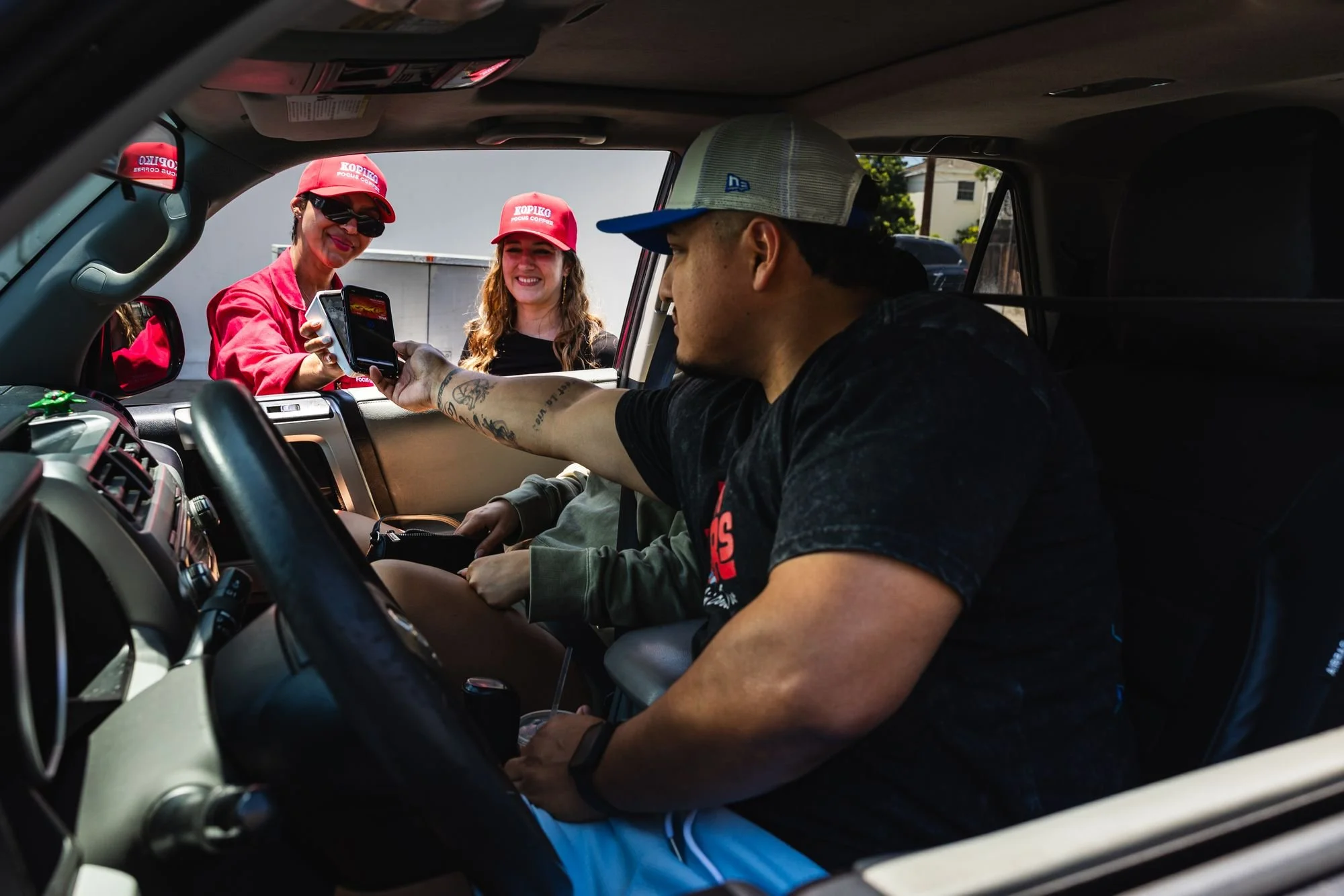
The connection came from the product benefit. Kopiko describes Focus Coffee as functional candy: a portable source of caffeine designed to provide energy. Gas gives energy to a car. At the same time, fuel prices were climbing and college students were watching every dollar.
Energy and gas went hand in hand. Students needed energy, and they needed a way to save money on fuel.
That observation turned a conventional sampling brief into a useful exchange. Students who bought a $2.99 package of Kopiko Focus Coffee could receive up to $70 in fuel. The incentive was large enough to earn attention, but it still directed that attention back to the product.
This is an important distinction for any product sampling agency. A large giveaway can easily overshadow the item being introduced. In this case, the incentive reinforced the product story: energy for the student and energy for the student's car.
Location Was the First Production Decision
The initial plan considered both UCLA and USC before the team concentrated the budget around UCLA. That decision created the next problem: finding a functioning gas station close enough to student life, visible enough to support a public relations push, and willing to accommodate a branded takeover.
Without the right location, the event did not work.
Evolve hired a professional location scout and provided a target list along Santa Monica Boulevard. The scout made the first contact with the Mobil station at Santa Monica and Westwood, one of the busiest intersections in the area. The owner had experience with promotional events and understood what the team wanted to create. Two days after the initial conversation, Evolve was in Los Angeles for a site visit.
The choice gave the activation visibility and proximity to UCLA, but it also created the program's greatest operating challenge. The station remained an active business at a major intersection. It had four entrances, limited room for vehicles to queue and no natural staging area for the volume that eventually arrived.
For brands planning CPG experiential marketing programs, the lesson is straightforward: location sourcing is strategic work. A professional scout did more than find an address. She identified an owner who understood promotional production and helped the team secure the site on an unusually short schedule.
A Purchase Made the Product Part of the Memory
Two options were on the table: give away both the candy and the gas, or require a small purchase before providing the fuel benefit. The teams chose the second structure. Students would buy the $2.99 product before receiving fuel.
Operationally, brand ambassadors processed the purchase and handed over the product while each vehicle waited in line. By the time a driver reached the pumps, the transaction was complete and the gas-station staff could focus on fueling the car.
Strategically, the purchase gave Kopiko a more deliberate role in the experience. The student was not simply collecting another free item. The product became the key that unlocked the larger benefit.
That structure offers a useful question for other sampling campaigns. If the goal is product recall or purchase behavior, what action should the consumer take during the experience? A free sample may be appropriate when broad trial is the priority. A small purchase, offer redemption or retail connection may be stronger when the campaign needs to establish value and move the consumer closer to a future sale.
Three and a Half Weeks Changed Every Workstream
Evolve had approximately three and a half weeks to produce the campaign. The international approval process made that window feel even shorter. Because the client team was one day ahead, a question sent during the U.S. workday could cost a full day before a decision returned.
Location came first, followed by creative, staffing and logistics. The team needed to transform the station, wrap a branded van, prepare large-format banners, develop uniforms and supply creative for three LED billboard trucks that would travel around Los Angeles before and during the event.
The creative work required more than resizing files. Copy developed across languages had to be adapted for U.S. consumers. Idioms, punctuation and number formatting did not always translate directly. Evolve Creative Director Travis Radke worked closely with me and the client team to revise the language while preserving Kopiko's intended message. The final station closely matched the original renderings, despite the compressed production window.
Influencer coordination added another layer. About 20 local creators teased the event in advance, while approximately 40 visited during the four activation days. Blaze PR managed the influencer relationships and reporting as Evolve coordinated the physical campaign. Meanwhile, street teams distributed 2,000 flyers near UCLA two days before the launch, and the three mobile billboards circulated through the market.
The channels worked. By the later event days, the site had reached capacity and the team stopped the billboard trucks from promoting the activation. More awareness would only have sent additional vehicles toward a queue that had nowhere to go.
The Crowd Exposed the Difference Between a Site Plan and Live Conditions
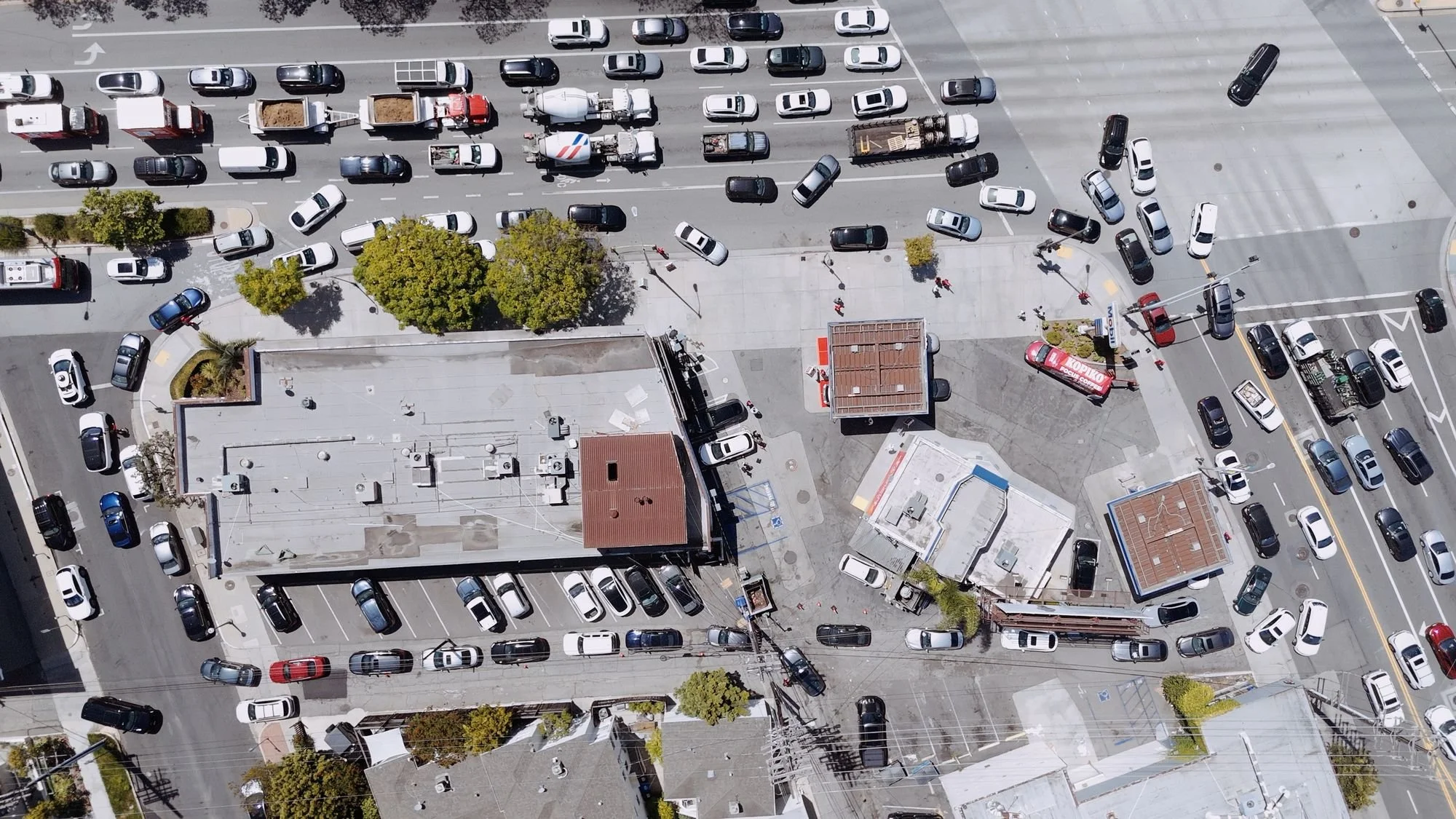
Before opening, the team mapped brand ambassador positions and the intended traffic route on an overhead plan of the station. The plan assumed a manageable line behind the site. It did not account for vehicles wrapping around the surrounding block.
We knew we were going to be busy. We did not know we were going to be that busy. Everybody came in from all directions.
I shifted between directing traffic, protecting bus access, speaking with concerned neighbors and handling client needs. At the pumps, the brand ambassadors and station employees kept the consumer experience moving. Music played, participants danced and the branded environment remained calm even as drivers farther back in line honked and tried to cut ahead.
The team sustained that balance across all four days, but the experience produced clear lessons. Given more lead time, Evolve would engage the city earlier, secure the appropriate traffic support, complete a full dry run with staff and obtain additional adjacent space for staging. The program also needed more senior producers, with separate ownership of logistics, social coordination and onsite problem-solving.
These are not secondary details. Permitting, queue design, staffing ratios and neighboring businesses determine whether a high-demand activation can operate safely. The incentive and media plan may generate the crowd, but the production plan has to absorb it.
The Results Also Show What Was Not Measured
The campaign delivered the awareness Kopiko wanted. The final recap reported:
9,000 gallons of fuel distributed with a value of approximately $45,000
119 million in audience reach
43 million social media views
950,000 onsite impressions
Influencer activity across TikTok, Instagram, YouTube, Threads and Facebook
The reach and social figures were compiled through influencer and public relations reporting. The physical turnout was visible in the lines surrounding the station. What the campaign did not capture was equally important: there was no post-event system connecting participation to later retail sales, product recall or repeat purchase.
Likes, views and impressions demonstrate attention. They cannot establish sales conversion on their own. If conversion is a core objective, the measurement plan should be designed alongside the experience. Unique offer codes, retailer-specific calls to action, QR journeys, follow-up surveys or market-level sales comparisons could help connect the event to later behavior. A broader CPG measurement playbook can extend that thinking beyond the final recap.
That gap does not erase the campaign's results. It clarifies what its results can support. Kopiko created broad awareness around a new product format and generated substantial live and social participation. A future version should preserve that reach while building a stronger path from the onsite purchase to measurable retail action.
What We Would Carry Into the Next Sampling Campaign
The Kopiko activation worked because the central idea was easy to understand. The product promised energy. The incentive answered a real financial need. The location placed the offer close to the intended audience, and the promotional plan created enough urgency to fill the site for four consecutive days.
The production lessons are just as clear. Hire specialists when location access is critical. Build extra approval time into international programs. Adapt creative for the market instead of translating it word for word. Involve municipal partners early when traffic may extend beyond the footprint. Assign enough senior producers to manage separate workstreams. Most importantly, define the measurement path before consumers arrive.
The calm experience at the pumps was not evidence that the activation was simple. It was evidence that the onsite team kept solving problems before they reached the consumer. That is the work behind effective experiential marketing in Los Angeles, especially when a sampling campaign grows beyond the footprint originally drawn on paper.