
The Role of Spatial Storytelling in Live Events
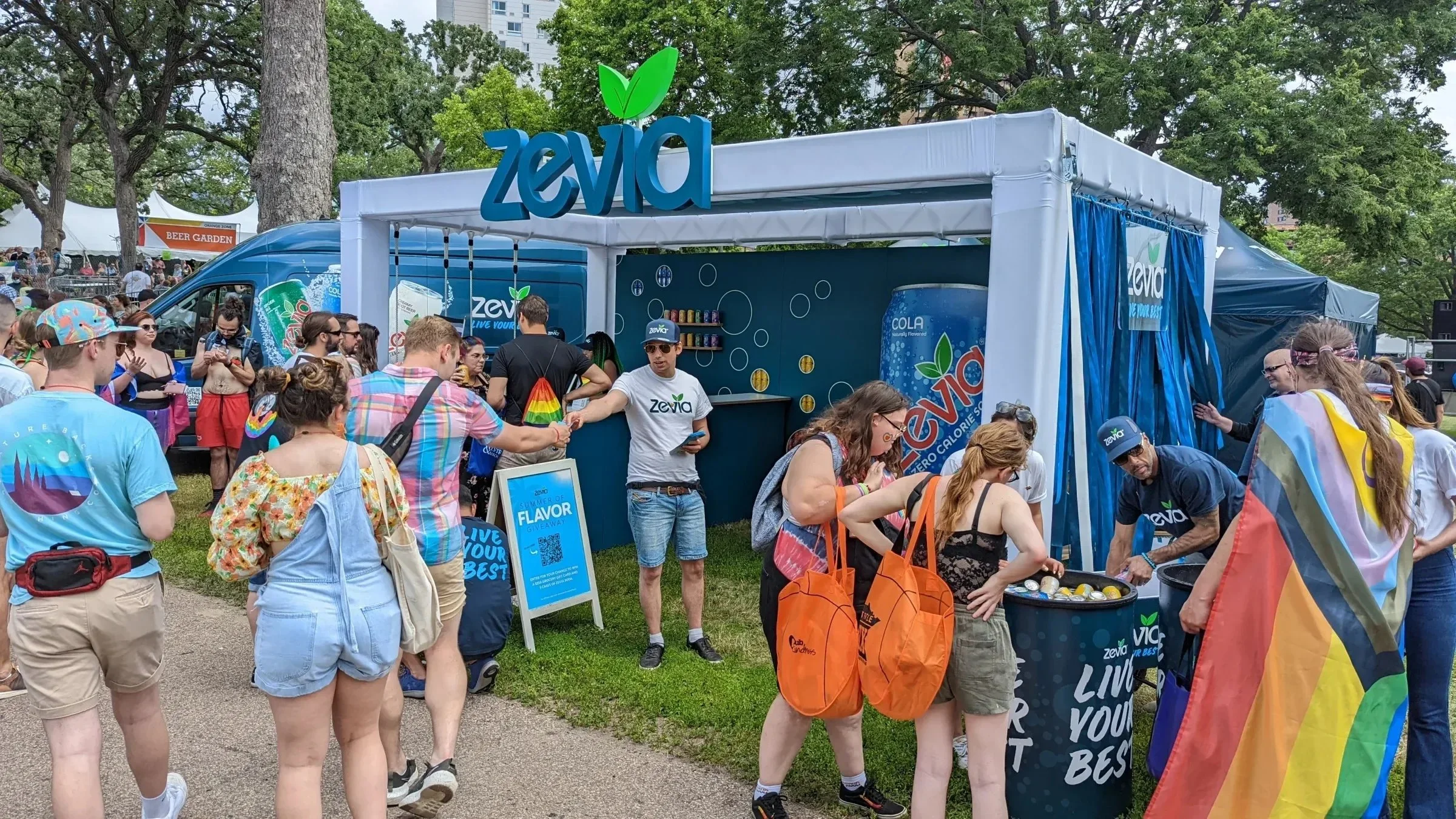
Walk into two different events promoting the same brand, and the difference becomes obvious within minutes. One feels like a collection of booths and displays placed inside a venue. The other feels intentional. Every turn reveals something new. The lighting changes as you move through the space. Interactive moments appear naturally. Conversations happen where they make the most sense. By the time you leave, you have experienced the brand instead of simply learning about it.
That difference often comes down to spatial storytelling.
Spatial storytelling is the practice of using physical space to tell a story. Rather than relying on speeches or printed materials, brands communicate through the environment itself. Every design decision, from the entrance to the exit, contributes to the narrative. Visitors are not passive observers. They become active participants, discovering the story as they move through the event.
As live events continue to compete with digital experiences, creating memorable environments has become one of the strongest ways to capture attention and hold it.
What Is Spatial Storytelling?
Every event tells a story, whether the organizers plan for it or not. The layout, signage, décor, lighting, sound, and flow all send messages to attendees. Spatial storytelling takes control of those elements and uses them with purpose. Instead of placing displays wherever there is available space, organizers think about the journey attendees will take. What should visitors notice first? Where should they stop? When should they interact with products? When should they pause to reflect or connect with others?
Each answer shapes the physical environment.
This approach encourages attendees to experience information in a sequence rather than receiving everything at once. Like the chapters of a book, each area builds on the one before it, creating a complete narrative by the end of the event.
Designing a Journey Instead of a Venue
One of the biggest differences between a successful event and an average one is how people move through the space. Without careful planning, attendees often wander aimlessly, overlook important displays, or spend too much time in crowded areas while quieter sections remain empty. A thoughtful layout solves these problems by gently directing movement without making visitors feel restricted. The entrance serves as the opening chapter. Registration, welcome signage, and branding establish the tone immediately. From there, the event unfolds naturally. Product demonstrations appear before networking spaces. Interactive experiences lead into educational presentations. Comfortable seating areas offer opportunities to pause before visitors continue exploring.
Rather than treating every activation as an isolated feature, spatial storytelling connects them into one continuous experience.
The Environment Becomes Part of the Brand
People remember experiences more vividly than advertisements. When a physical environment reflects a brand's personality, visitors begin to associate those feelings with the company itself. A sustainable brand, for example, might build its event using recycled materials, natural textures, and energy-efficient lighting. A technology company could create sleek spaces with interactive digital installations that allow visitors to test new products firsthand. A travel brand might recreate the atmosphere of different destinations through architecture, music, food, and local cultural elements. None of these choices exist purely for decoration. They reinforce the brand's identity in ways that people experience rather than simply observe. This creates stronger emotional connections because attendees are immersed in the brand instead of standing outside it.
Guiding Attention Without Saying a Word
One of the most effective aspects of spatial storytelling is that it influences behaviour naturally. Lighting highlights focal points without requiring additional signage. Wider pathways encourage movement towards key experiences. Strategic placement of displays slows visitors down where deeper engagement is desired. Sound draws attention to live demonstrations while quieter areas support conversation. Visitors rarely notice these design decisions consciously, yet they respond to them throughout the event. The result is an experience that feels intuitive. Guests know where to go next because the environment quietly guides them.
Interaction Makes the Story Personal
A compelling story invites participation, and live events offer opportunities that digital marketing cannot replicate. Instead of reading about a product, attendees use it. Instead of watching a promotional video, they speak directly with brand representatives. Instead of viewing static displays, they become part of interactive installations that respond to their actions. These moments transform visitors from spectators into participants. Interactive demonstrations, product testing, immersive exhibits, and hands-on workshops all give attendees a personal role within the brand's story. That involvement increases engagement because people remember experiences they helped create. The longer someone actively participates, the stronger the connection becomes.
Technology Should Support the Experience
Technology has become a common feature of live events, but successful spatial storytelling uses it with restraint.
Large screens, augmented reality, projection mapping, artificial intelligence, and interactive touch displays all offer exciting possibilities. The challenge lies in choosing technology that strengthens the narrative instead of distracting from it. An augmented reality experience that helps visitors visualise a product in real-world settings adds value because it supports the story. A digital display that exists only because it looks impressive often fails to leave a lasting impression. Technology performs best when attendees barely think about the technology itself. Their attention remains on the experience.
Small Details Create Lasting Impressions
Spatial storytelling extends beyond major installations. Many of the most memorable moments come from details that appear almost invisible during planning. The scent inside a product showcase. The transition between brightly lit spaces and quieter lounges. The background music changing as visitors move into different zones. The placement of seating where meaningful conversations naturally happen. Individually, these elements seem minor. Together, they create a cohesive atmosphere that shapes how attendees feel throughout the event. When every detail supports the same message, the experience feels complete.
Measuring Success Beyond Attendance
A well-designed space does more than look impressive. It encourages measurable engagement. Organizers increasingly evaluate success through metrics such as visitor flow, dwell time, interaction rates, product demonstrations completed, lead generation, social media activity, and post-event feedback. These insights reveal which parts of the story captured attention and where attendees spent the most time. Patterns often emerge quickly. If visitors consistently bypass one area, the layout or messaging may need adjustment. If an interactive activation attracts long queues, it highlights the type of experience audiences value most. Spatial storytelling therefore becomes an ongoing process of refinement rather than a one-time design exercise.
Creating Events People Remember
The most successful live events rarely rely on spectacular visuals alone. They create experiences that unfold naturally, giving attendees a reason to keep exploring. Every decision, from the first welcome sign to the final conversation before guests leave, contributes to a larger story. When spatial storytelling is planned carefully, attendees do not simply walk through a venue. They move through a sequence of meaningful moments that shape how they understand a brand, remember an event, and talk about the experience afterwards. As expectations for live events continue to rise, brands that treat physical space as part of their storytelling strategy will create stronger engagement, deeper emotional connections, and experiences that remain memorable long after the lights have been switched off.
