
Why Open Booth Layouts Often Perform Better in Experiential Marketing
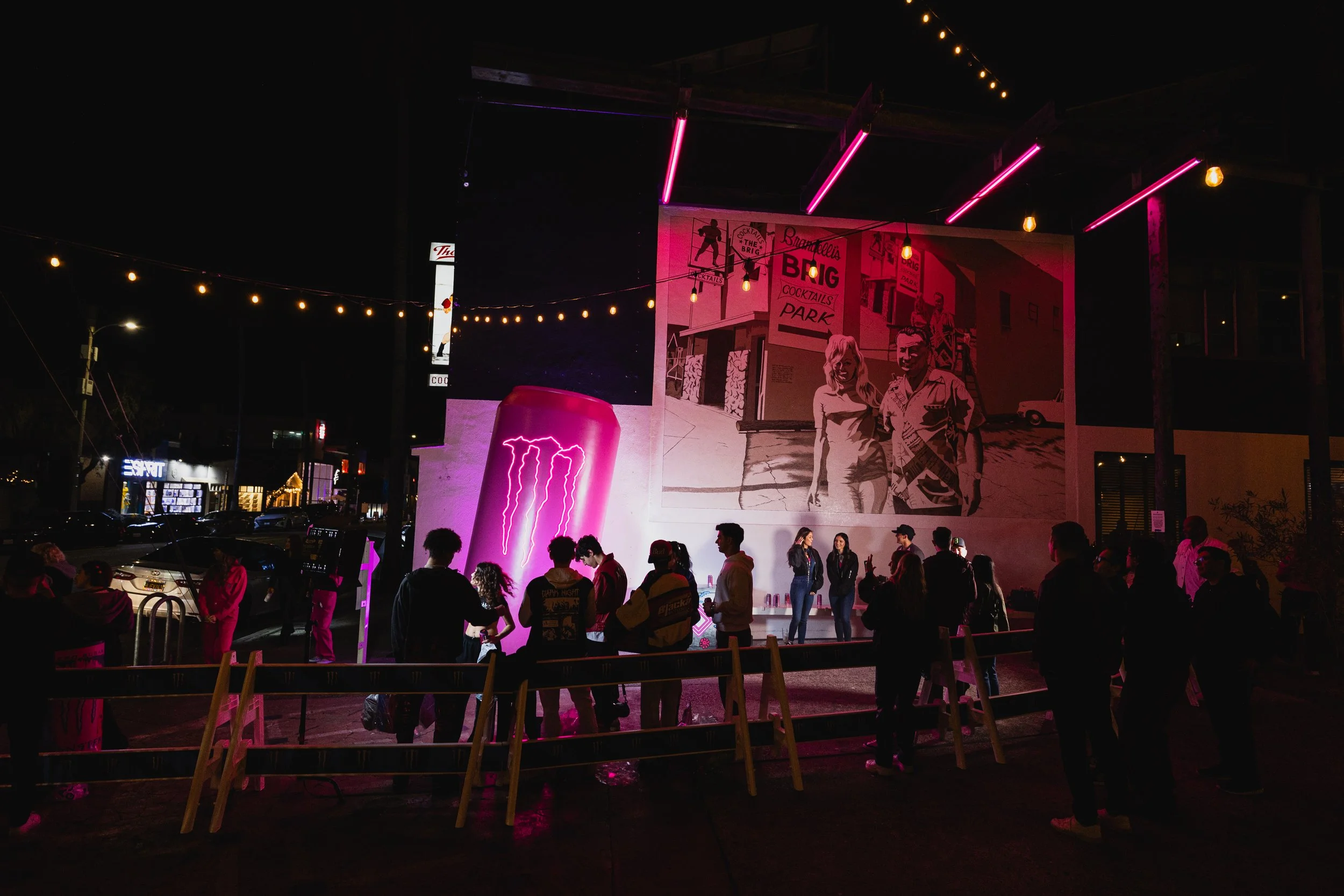
In the dynamic world of experiential marketing, where every interaction counts toward building lasting brand connections, the choice of booth layout can make or break your event success. Open booth designs have emerged as a powerful strategy. They consistently outperform more traditional enclosed setups by fostering accessibility, visibility, and seamless engagement. Far from being just an aesthetic preference, open layouts align perfectly with the immersive, customer-centric ethos of experiential marketing. They turn passive passersby into active participants.
Imagine walking a bustling trade show floor. Amid rows of imposing, walled-off structures, an open booth stands out like a welcoming beacon. Attendees can see the vibrant activations, interactive displays, and storytelling elements from afar. This sparks curiosity without the intimidation of a physical barrier. This strategic openness is not accidental. It is a deliberate high-level approach that prioritizes fluid movement and emotional resonance over rigid containment.
The Power of Visibility and Accessibility
At its core, an open booth layout maximizes sightlines and removes psychological hurdles that often deter engagement. In crowded event environments, enclosed booths can feel exclusive or mysterious. This may work for select premium experiences but frequently limits broader reach. Open designs, by contrast, create 360-degree visibility. They allow your brand story to unfold naturally as people navigate the space.
This accessibility drives significant uplifts in foot traffic. Attendees feel invited rather than intruding. This leads to higher approach rates and longer dwell times. Industry observations highlight that open configurations can see visitor approach rates substantially higher than closed alternatives. Clear entry points and unobstructed views reduce friction in decision-making. When prospects can effortlessly spot compelling demos, sensory installations, or live experiences, they are more likely to pause, explore, and connect. This transforms casual glances into meaningful interactions.
For experiential marketers, this visibility serves a deeper strategic purpose. It amplifies the experience element that defines the discipline. Brands can showcase technology integrations, product interactions, or narrative journeys in real time. This draws crowds organically. The result is a booth that does not just attract visitors but sustains their interest through dynamic, evolving activations that adapt to the energy of the crowd.
Enhancing Engagement and Emotional Connections
Experiential marketing thrives on participation and shared moments. Open layouts excel at facilitating these. Without walls to confine the space, brands can craft fluid pathways that guide attendees through a cohesive journey. This flows from initial discovery to deeper immersion. This strategic flow encourages spontaneous conversations, collaborative interactions, and user-generated content that extends the brand’s reach far beyond the event floor.
Studies and practitioner insights consistently show that well-executed experiential campaigns generate impressive returns. Many report strong ROI when engagement is maximized. Open booths contribute directly to this by promoting inclusivity and transparency. They signal that the brand is approachable and confident. Attendees respond positively to this openness. They often report stronger emotional connections and better product understanding compared to traditional methods. In fact, a notable percentage of consumers indicate that hands-on experiences influence their purchase decisions more effectively than other channels.
Moreover, open designs integrate beautifully with modern experiential tactics like interactive tech, storytelling zones, and sensory elements. Imagine a central activation area surrounded by inviting peripheral spaces. Visitors can engage at their own pace, whether dipping in for a quick demo or lingering for a full narrative experience. This flexibility not only boosts participation rates but also enhances message retention. Multi-sensory, unforced interactions create memorable impressions that translate into stronger brand affinity and loyalty.
Strategic Advantages for ROI and Brand Perception
From a high-level marketing perspective, open booth layouts deliver measurable strategic benefits that resonate with ROI-focused clients. Increased foot traffic and dwell time naturally lead to higher volumes of quality leads and social amplification. Attendees who feel welcomed are more inclined to share their experiences on social platforms. This generates authentic user content that extends campaign reach exponentially.
This approach also reinforces perceptions of innovation and customer-centricity. In an era where authenticity drives consumer loyalty, an open layout communicates transparency and inclusivity. These qualities align seamlessly with contemporary brand values. Brands adopting these designs often report uplifts in key metrics, including post-event recall, positive sentiment, and sales influence. Experiential marketing continues to outperform traditional advertising in engagement and conversion potential.
Furthermore, open layouts optimize real estate in competitive venues. They adapt well to varying crowd densities. This enables smoother navigation and reduces congestion while maintaining high visibility. This adaptability allows marketers to respond in real time. They can scale activations based on attendance patterns or pivot to hot topics emerging during the event. The result is a more resilient and effective presence that maximizes every square foot of your investment.
Overcoming Common Challenges with Smart Design
Of course, open layouts require thoughtful planning to maintain focus amid the event bustle. Strategic zoning through lighting, flooring, or subtle architectural cues can create natural pockets for deeper conversations without sacrificing openness. Integrating technology for seamless lead capture and content delivery further elevates the experience. This ensures that the energy of the open space translates into tangible business outcomes.
Balancing visibility with branded storytelling is key. High-impact visuals, compelling hero elements, and layered experiences ensure that while the booth welcomes all, it still delivers a cohesive narrative. This aligns with overarching campaign goals. This high-level orchestration turns potential distractions into opportunities for broader, more diverse audience connections.
The Future of Experiential Booth Design
As experiential marketing evolves, open booth layouts are poised to remain at the forefront of trends. With increasing emphasis on immersive, shareable moments and hybrid event formats, designs that prioritize accessibility and flow will continue delivering superior performance. Brands that embrace this philosophy position themselves as forward-thinking leaders. They create environments where authentic connections flourish.
In conclusion, open booth layouts outperform enclosed alternatives by breaking down barriers, both literally and figuratively. They foster greater visibility, engagement, and emotional impact. For experiential marketers seeking strategic high-level results, this approach unlocks expanded reach, stronger ROI, and deeper audience relationships that endure long after the event ends. By investing in thoughtful, open designs, brands do not just exhibit; they invite the world to experience their story in the most compelling way possible.
