
The Art of the Product Demo: How to Show, Not Tell, at Events
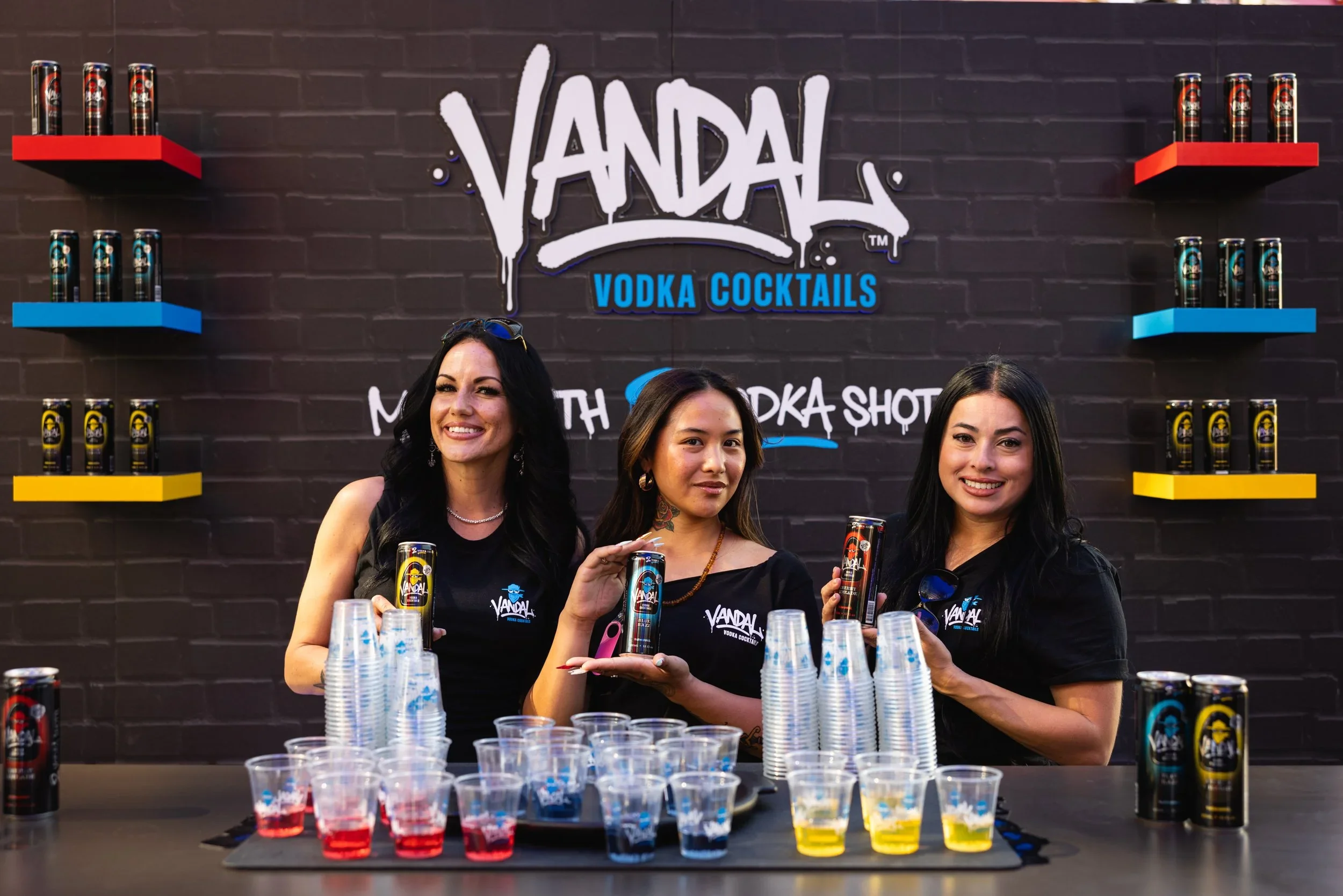
At every trade show, there’s a moment that separates the booths people remember from the ones they walk past. It’s not the free swag, the flashy signage, or the perfectly scripted pitch. It’s the moment a visitor sees a product do something real, solves a problem they recognize, and thinks, “I need this.” That’s the power of a great product demo.
In experiential marketing, showing beats telling every single time. Research shows that 75% of trade show attendees say hands-on demonstrations are how they learn best on the show floor. Yet many brands still treat demos as an afterthought, something to squeeze in between meetings or run on autopilot. The result? Missed opportunities to turn curiosity into conversion.
Why Demos Are the Heart of Experiential Marketing
A product demo isn’t just a feature walkthrough. It’s a story in action. It’s the moment your brand proves its value in a way that’s tangible, memorable, and shareable. When done right, a demo transforms passive observers into active participants and active participants into qualified leads.
The data backs this up. Direct access to subject matter experts ranks as the second most valuable way attendees learn at trade shows, with 66% saying it’s their preferred method. Combine that with hands-on trials, and you’ve got a formula for engagement that no static display can match.
The best demos don’t just inform, they immerse. They make the visitor the hero of the story, not the product. And that’s where experiential marketing shines. Brands that prioritize interactive experiences see higher dwell times, more social shares, and stronger lead quality. A well-executed demo creates what marketers call a “micro-moment of truth”, a split-second decision where a visitor either leans in or walks away. Your job is to make sure they lean in.
Start With the Problem, Not the Product
The biggest mistake brands make with demos is starting with the product instead of the problem. Attendees don’t care about your features until they understand why those features matter to them.
Begin every demo by framing a pain point your audience recognizes. Ask a question like, “How long does it take your team to complete X?” or “What’s the biggest bottleneck in your current workflow?” This immediately positions your product as the solution, not just another item on the show floor.
From there, structure your demo around a clear Scenario, Comparison, Outcome format. Show the current state (the problem), introduce your solution (the comparison), and highlight the result (the outcome). This narrative arc keeps visitors engaged and helps them visualize the value you deliver.
For example, if you’re showcasing a new software tool, don’t start by listing features. Start by asking, “How many hours a week does your team spend on manual data entry?” Then show them how your tool cuts that time in half. End with a real testimonial or case study that proves it works. This problem-first approach makes your demo feel relevant, not salesy.
Design for Participation, Not Observation
The most effective demos are the ones where visitors do, not just watch. Think of your booth as a mini-lab where every interaction teaches something meaningful in under two minutes.
Give people space to try what they’ve learned through hands-on activities, quick challenges, or guided trials. Let them touch, test, or troubleshoot with your product. This active participation builds confidence and makes the experience feel personal.
During peak traffic, aim for a 60 to 90 second loop per visitor. When things slow down, allow for longer 90 to 180 second conversations. Always have a backup plan (like a cue-card version of your demo) that can launch within seconds if technology fails.
The goal is to respect limited attention spans while still delivering depth. Every second should feel purposeful, not rushed. Consider adding a “challenge” element (like a timed task or a before-and-after comparison) to make the experience feel game-like and rewarding. Gamification increases engagement by up to 47%, according to EventTrack 2026.
Make It Memorable With Sensory and Social Elements
Great demos engage multiple senses. They’re not just visual—they’re tactile, auditory, and sometimes even olfactory. Think about how your product feels in someone’s hands, the sound it makes when it works, or the way it transforms a space.
Add social proof into the mix. Use live testimonials, before-and-after visuals, or real-time data displays to show results as they happen. When visitors see others reacting positively, they’re more likely to engage themselves.
Don’t forget the shareability factor. Design your demo space with built-in photo ops or content creator areas. Encourage visitors to post their experience on social media with a branded hashtag. This turns your demo into a content engine that extends far beyond the event itself.
For example, set up a “demo selfie station” with good lighting, a branded backdrop, and a prop related to your product. Offer a small incentive—like entry into a raffle—for anyone who posts and tags your brand. This not only boosts your reach but also creates authentic user-generated content you can repurpose later.
Train Your Team to Spark Conversations, Not Recite Scripts
Your demo is only as good as the people running it. Train your team to ask open-ended questions, listen actively, and adapt their approach based on the visitor’s needs. Avoid scripted pitches—instead, equip them with key talking points and let the conversation flow naturally.
The best demo facilitators act like guides, not salespeople. They help visitors discover value on their own terms, which builds trust and makes the experience feel authentic. This is especially important for Gen Z and Millennial attendees, who value transparency and real connections over polished presentations.
Run mock demos before the event to practice handling objections, managing tech glitches, and keeping the energy high. Role-play different visitor personas—like the skeptical buyer, the curious explorer, and the time-crunched executive—so your team is ready for anything. The more natural your team feels, the more natural the demo will feel to visitors.
Capture Intent Without Breaking the Flow
Lead capture shouldn’t feel like an interruption. Integrate it naturally into your demo experience. Use QR codes, badge scans, or live polls to gather information at moments when visitors are already engaged.
For example, after a hands-on trial, invite them to “unlock the full results” by scanning a code. Or offer a downloadable resource that builds on what they just learned. These tactics feel helpful, not pushy, and they give you intent-based data you can use for follow-up.
Track metrics like time spent in the demo, completion rates, and social shares to understand what’s working. Use these insights to refine your approach for future events.
You can also use technology like RFID badges or facial recognition (with consent) to track which parts of the demo visitors engage with most. This data helps you personalize follow-up emails and tailor your messaging to what actually resonated.
Extend the Experience Beyond the Show Floor
A great demo doesn’t end when the event closes. Think about how you can keep the momentum going after visitors leave. Send a follow-up email with a recording of the demo, invite them to a webinar, or give them access to a resource library.
This post-event engagement turns a one-time interaction into an ongoing relationship. It also gives you more opportunities to nurture leads and prove ROI.
Consider creating a “demo recap” video that highlights the best moments from the event. Share it on social media, embed it in your email campaigns, and use it as a sales enablement tool for your team. This extends the life of your demo and keeps your brand top-of-mind long after the show ends.
Show Them Why It Matters
At the end of the day, the best product demos answer one simple question: Why does this matter to me? When you design your demo around that question, you stop competing on features and start competing on value.
So the next time you’re planning your event activation, ask yourself: Are we showing, or are we telling? The difference is what separates forgettable booths from unforgettable experiences.
