
Turning Event Data Into Better Brand Experiences
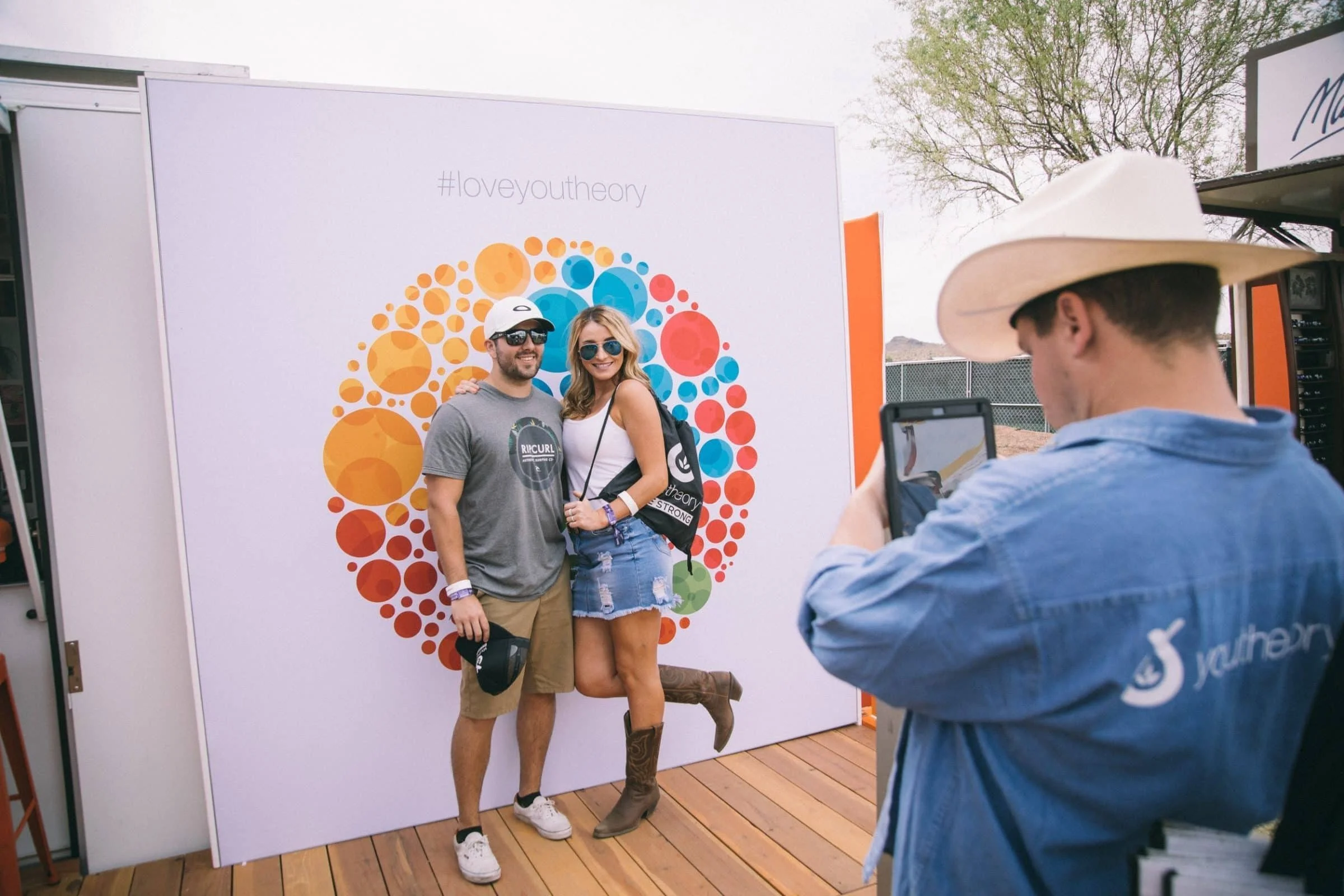
An event does not end when the last attendee leaves. The conversations, sign-ups, survey responses, content interactions, and engagement patterns from the day can all help a brand create a better experience next time.
Too often, event data is treated as proof that something happened. A final report may show attendance numbers, leads collected, social posts published, and photos from the activation. Those figures are useful, but they should be the beginning of the conversation rather than the end of it.
A strong event data strategy asks a more useful question: what should this information change about the next activation?
The answer may affect the format of the event, the audience a brand targets, the message people see first, the content created after the event, or the way the on-site experience is delivered. When brands use data this way, every activation becomes an opportunity to learn, refine, and create a more relevant brand experience.
Data Needs a Clear Purpose
Not every event should be measured in the same way. A brand hosting a product launch will be looking for different signals than one attending a trade show or running a local pop-up. The metrics should reflect what the experience was designed to achieve.
If the goal is to introduce a brand to new people, registration details, audience demographics, brand awareness surveys, and social engagement may matter most. If the goal is to generate leads, the focus may move toward the quality of conversations, opt-ins, product interest, and post-event engagement. A campaign designed to encourage product trial should look closely at how many people participated and whether the experience increased their interest in purchasing.
The mistake is relying on attendance alone. A large number of visitors may indicate strong visibility, but it does not necessarily reveal whether people understood the brand message or wanted to continue the relationship. A smaller group of highly engaged attendees can be more valuable than a large crowd that only stopped for a quick photo.
When a brand knows what outcome matters most, it becomes easier to collect the right information and use it with purpose.
Let Attendee Behavior Shape the Format
Data can reveal how people actually move through an experience. It can show where they spend time, what they skip, what causes queues, and which activities create the strongest engagement.
If attendees consistently gather around live product demonstrations, that may be a sign that the next activation needs more space for hands-on interaction. If visitors quickly pass through a large display without stopping, the entry point may need a clearer reason to engage. If an interactive activity draws people in but does not lead to meaningful product conversations, the brand may need a stronger connection between the activity and its message.
These insights can also improve the practical flow of an event. If people arrive in large groups at certain times, the next staffing plan may need more support during those busy periods. If attendees repeatedly need help understanding an activity, clearer instructions or a better welcome point could make the experience feel easier and more inviting.
The goal is not to remove every moment of spontaneity. It is to use real attendee behavior to create an activation that feels more natural, useful, and enjoyable.
Make the Message Easier to Remember
What attendees ask about during an event can be just as valuable as what they do. Repeated questions often point to gaps in the messaging. If people are unsure what a product does, how it works, or why it matters, the event may need clearer language, stronger demonstrations, or more visible information.
Post-event surveys can also reveal what stayed with people. If attendees remember an interactive game but cannot recall the brand story, the experience may have been entertaining without being memorable in the right way. If they mention a specific product benefit, a conversation, or a moment of discovery, that is a stronger indication that the message connected.
Those insights should not stay inside an event report. They can guide the content created after the activation. Common questions can become short social videos, follow-up emails, blog articles, or website content. A product feature that generated strong interest can become the focus of the next campaign.
This approach gives event content a longer life. Instead of posting a general recap and moving on, brands can create communication that responds directly to what their audience wanted to know.
Target the Next Audience Better
Every event provides clues about who is most interested in the brand. Registration forms, survey responses, product interactions, and follow-up activity can help identify the types of attendees who were most likely to engage.
A brand may find that first-time visitors were drawn to a particular experience, while existing customers wanted more detailed product information. Another event may show that one audience segment was highly active on social media, while another was more likely to request a follow-up conversation.
That information can improve future invitations, paid campaigns, partnerships, and on-site messaging. Rather than promoting the same event in the same way to everyone, brands can create more relevant communication based on what different audiences have already shown they value.
It also makes post-event follow-up more useful. Someone who attended a product demonstration should not receive the same message as someone who only entered a giveaway. Event data gives brands the opportunity to continue each conversation in a way that feels more personal and timely.
The best brand experiences are shaped by more than creative ideas. They are shaped by listening to what attendees do, ask, remember, and respond to. When brands use event data to improve the next activation, they move beyond reporting results and begin building experiences that feel more relevant from the moment attendees arrive.
