
What Field Marketing for a Japanese Brand Actually Takes
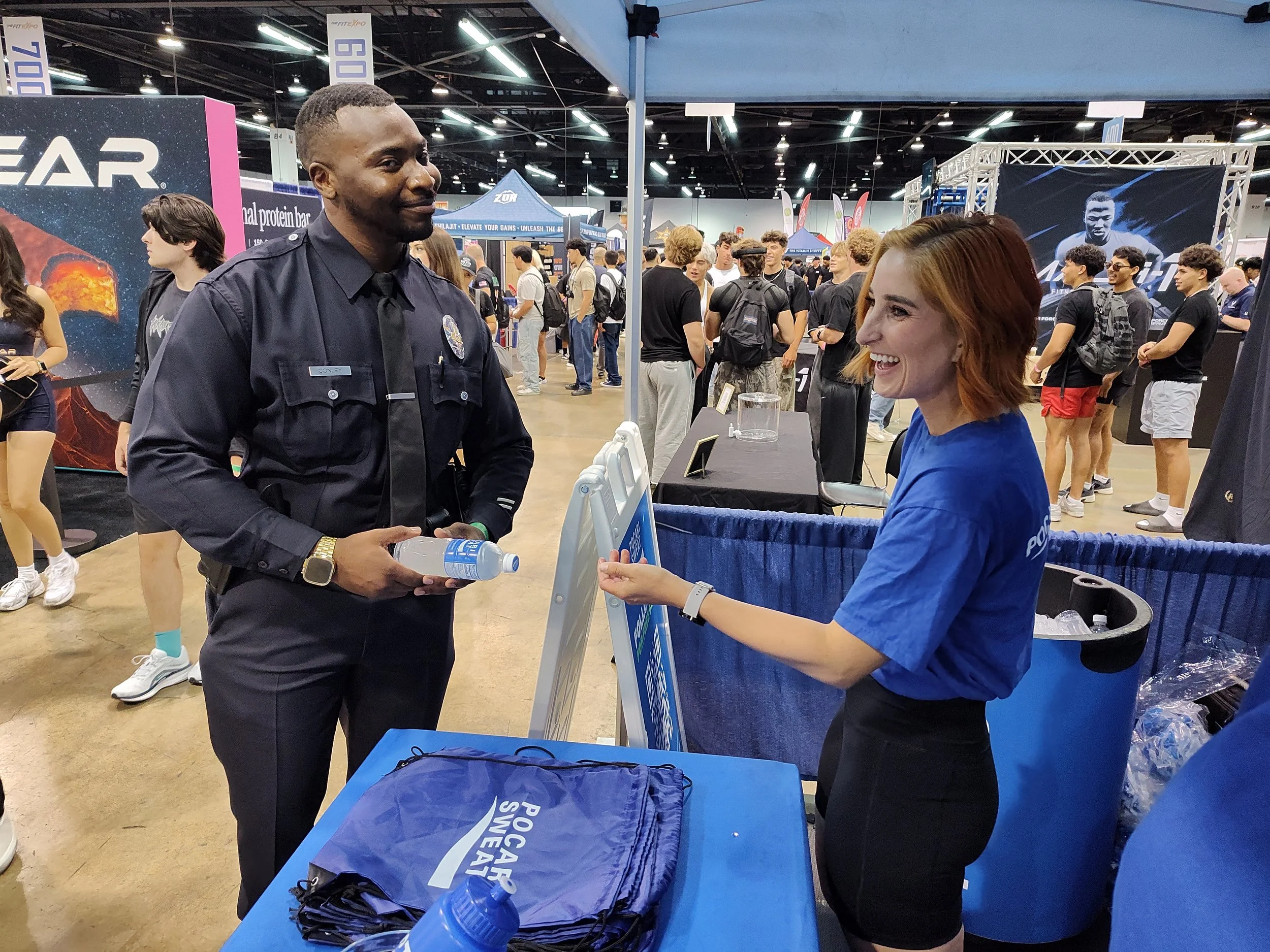
We sat down with Alexia Bustios to talk about what it really takes to introduce a Japanese brand to U.S. consumers. The conversation ranged from product education and cultural heritage to audience strategy, brand ambassador training and the lessons that only emerge in the field.
A name like Pocari Sweat does not arrive in the United States already understood.
In Japan, the hydration drink is deeply familiar. Its blue-and-white packaging is instantly recognizable, and consumers already understand when and why to reach for it.
In the U.S., the starting point was completely different. The name was unfamiliar. The product did not fit neatly into an established category. Its formulation prompted questions. Before Pocari Sweat could compete for a place in consumers' routines, the brand had to explain what it was.
That is where field marketing became essential.
When water isn't enough, you reach for Pocari Sweat.
For an international brand entering a new market, field marketing is not simply distribution. It is translation. It turns a product's history, science and cultural meaning into a story that makes sense to a new consumer through real conversations at relevant moments.
What Is Field Marketing When the Product Is Unfamiliar
Field marketing brings a brand directly to consumers through retail activations, street teams, sampling programs, sponsorships and community events. For an unfamiliar international product, the interaction must explain what the product is, why it exists, when to use it and why someone should choose it over something they already know.
Traditional advertising can introduce a name or repeat a message. It cannot respond when someone reads the label and asks a specific question. A trained brand ambassador can listen, clarify and adjust the explanation in real time.
That conversation-based education was central to Evolve's Pocari Sweat field marketing program in the U.S.
Finding the Space Between Sports and Sickness
Pocari Sweat was developed by Otsuka Pharmaceutical and launched in Japan in 1980. According to Otsuka's account of the product's development, the idea was inspired by the company's experience with IV solutions and a desire to replace water and electrolytes lost through everyday perspiration. The result was a hydration drink formulated with five electrolytes.
What makes Pocari Sweat different is the way its electrolytes are formulated. It was created to closely match the composition of sweat.
The U.S. opportunity was not to position Pocari Sweat as another sports drink or as a product consumers reach for only when they are sick. Those occasions were already strongly associated with established competitors. The more interesting opening was everyday hydration: hiking, working outside, attending a festival, spending a day at the ballpark or simply moving through hot weather.
We called the people in those moments "heat fighters."
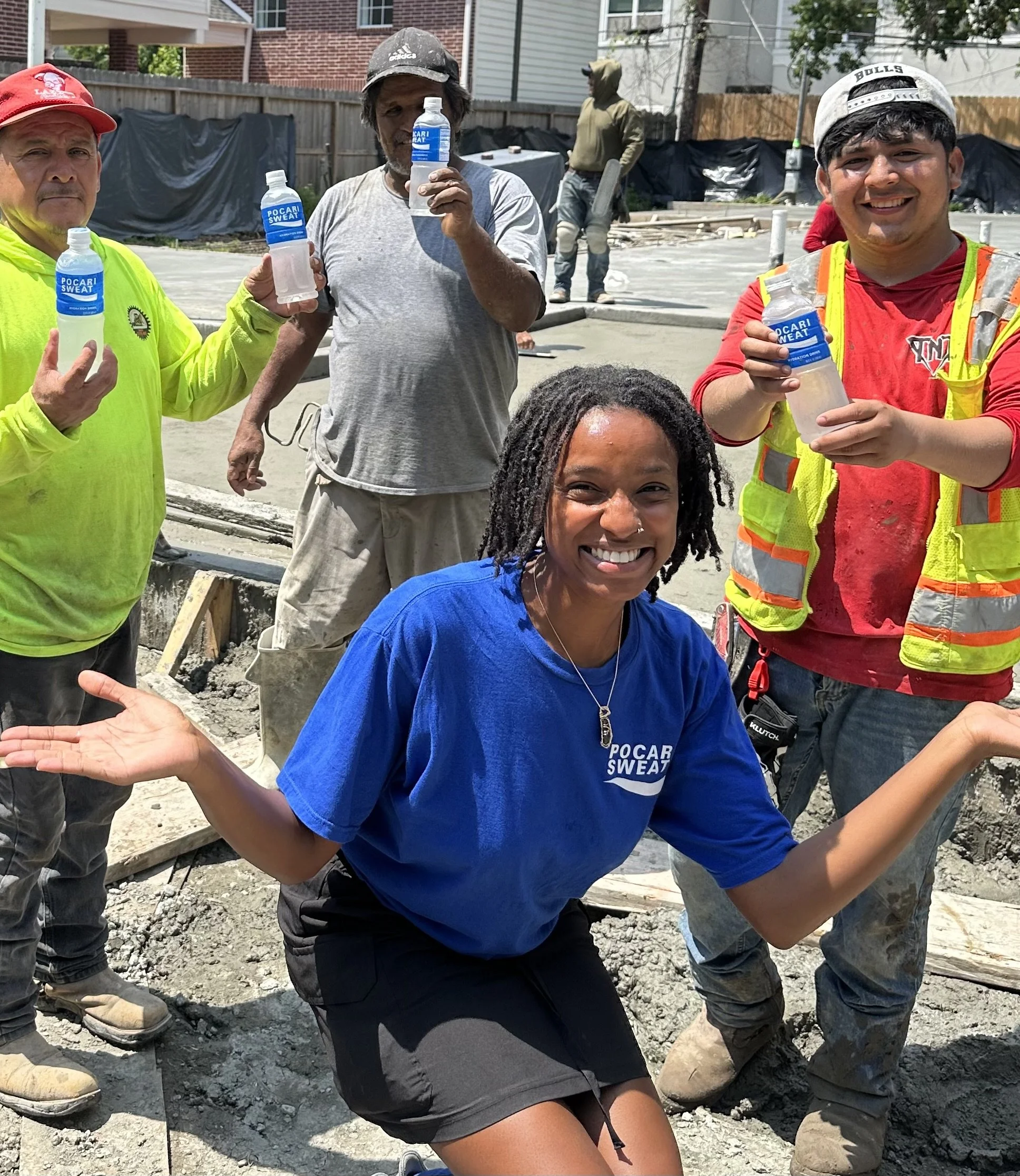
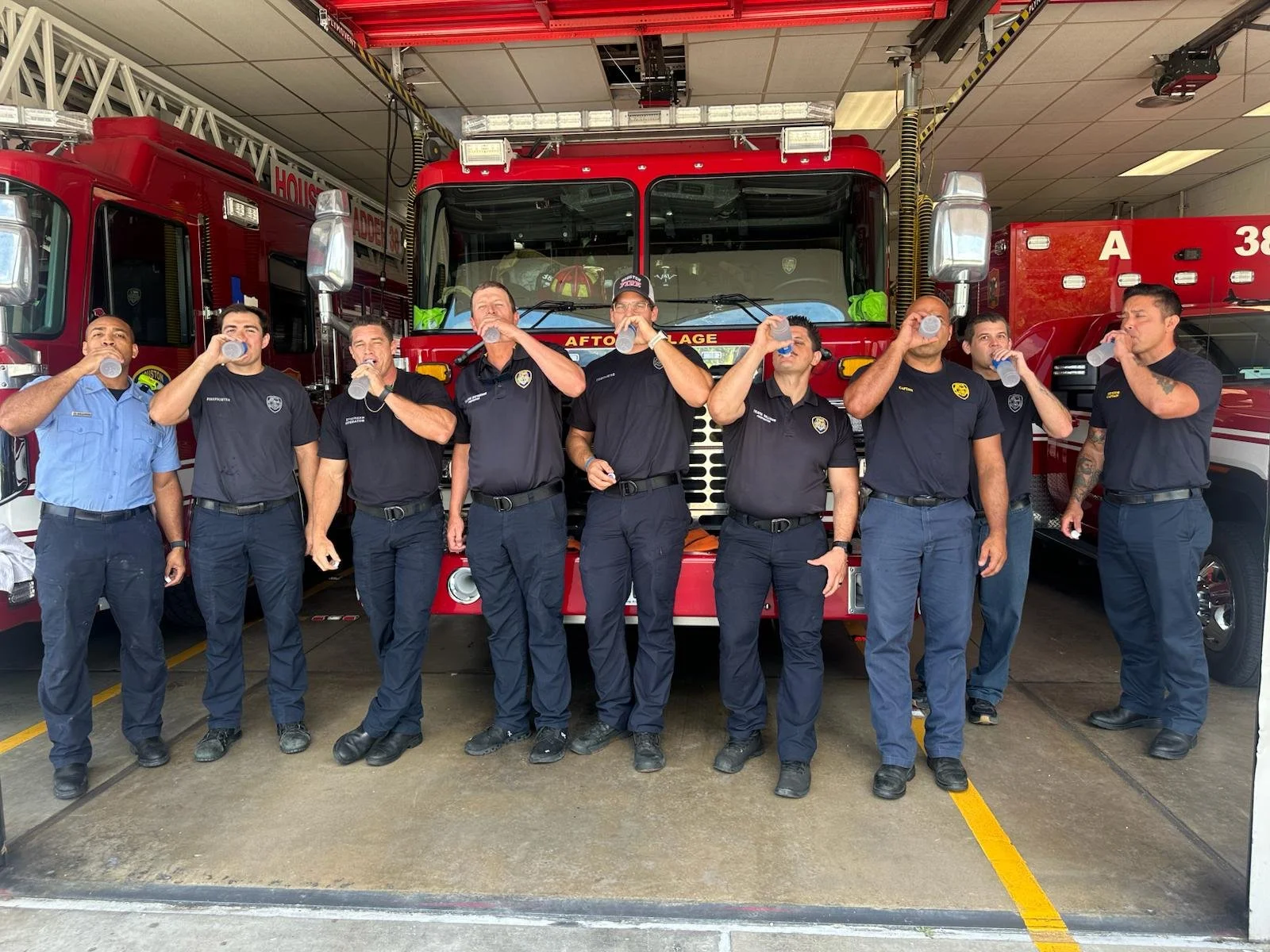
Some were obvious prospects, such as gym members, runners and outdoor enthusiasts. Others worked in hot environments: firefighters, landscapers, restaurant kitchen teams, mechanics and tire-shop employees. The strategy focused less on broad demographics and more on behavior. Where were people losing fluids, and where would a cold sample create a meaningful experience instead of becoming one more giveaway?
Those questions shaped a three-part program across Southern California, Northern California and Houston.
One Product and Three Paths to Understanding
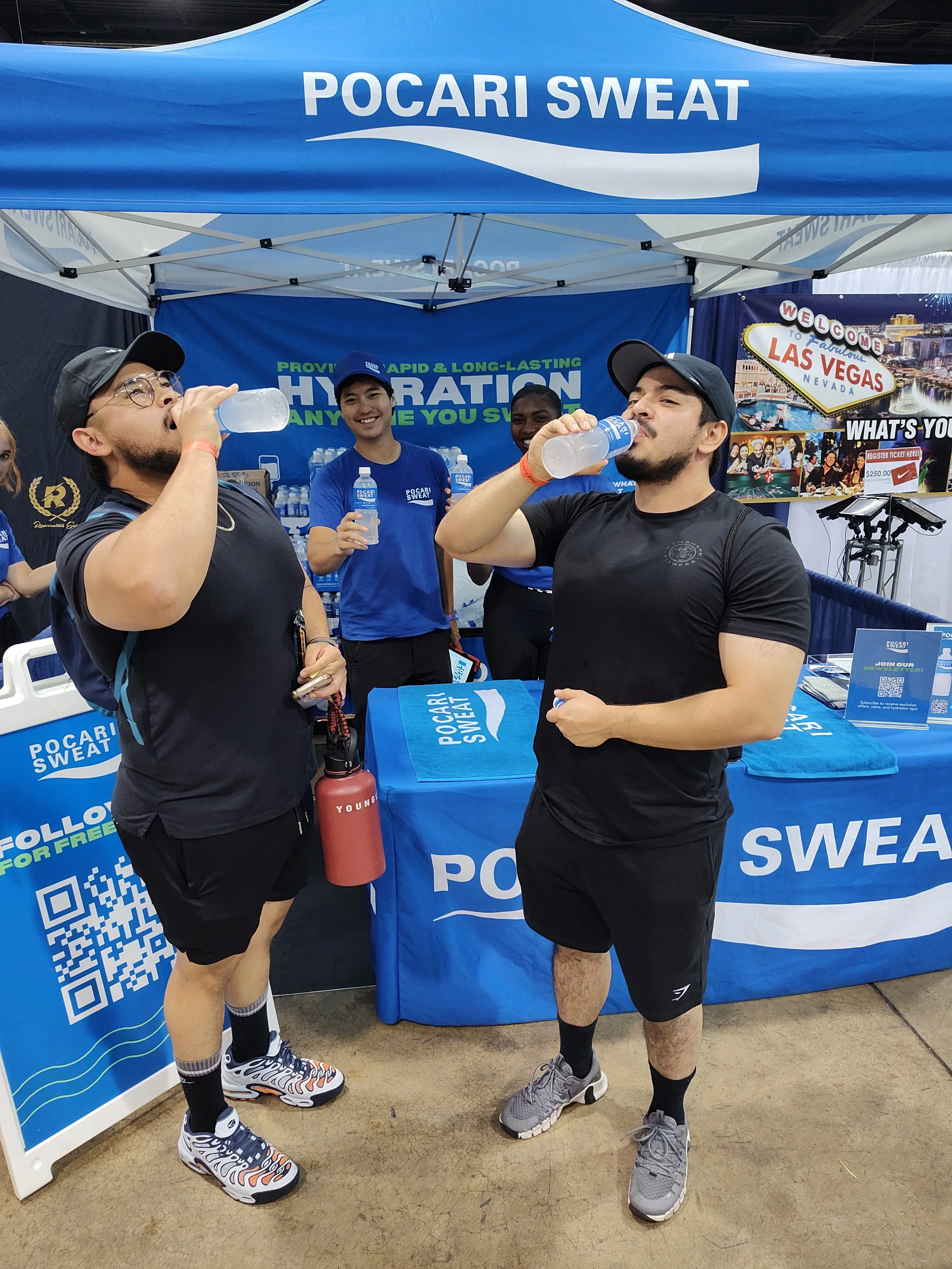
The first path was retail sampling. In-store activations gave consumers an opportunity to learn about Pocari Sweat while they were already in a purchasing environment. Education could lead directly to the shelf, shortening the distance between curiosity and conversion.
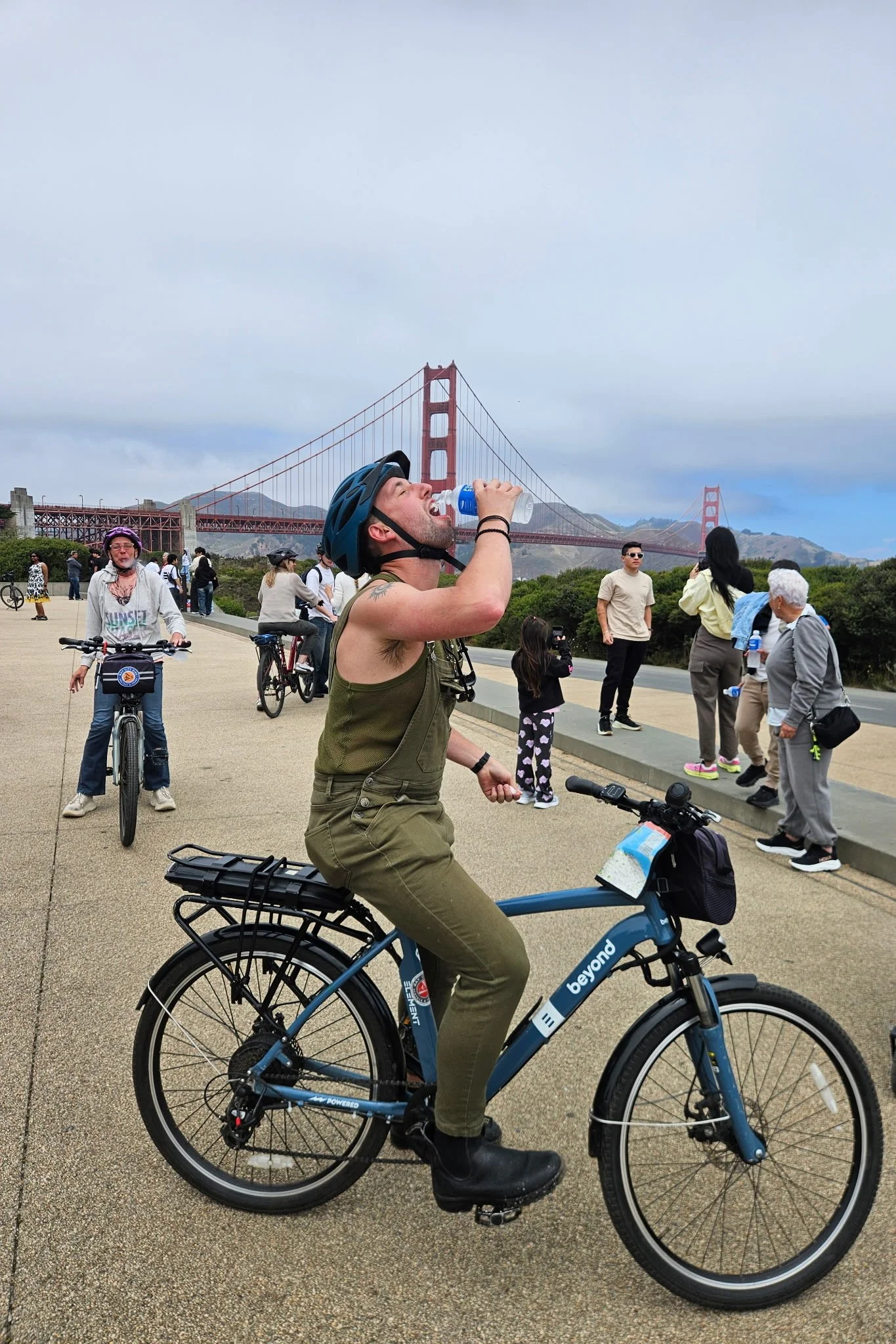
The second was guerrilla sampling. Street teams visited gyms, Pilates studios, karate dojos, fire stations, restaurants and outdoor work environments. These were not random high-traffic stops. Each location represented a moment in which the product's purpose could be understood quickly and personally.
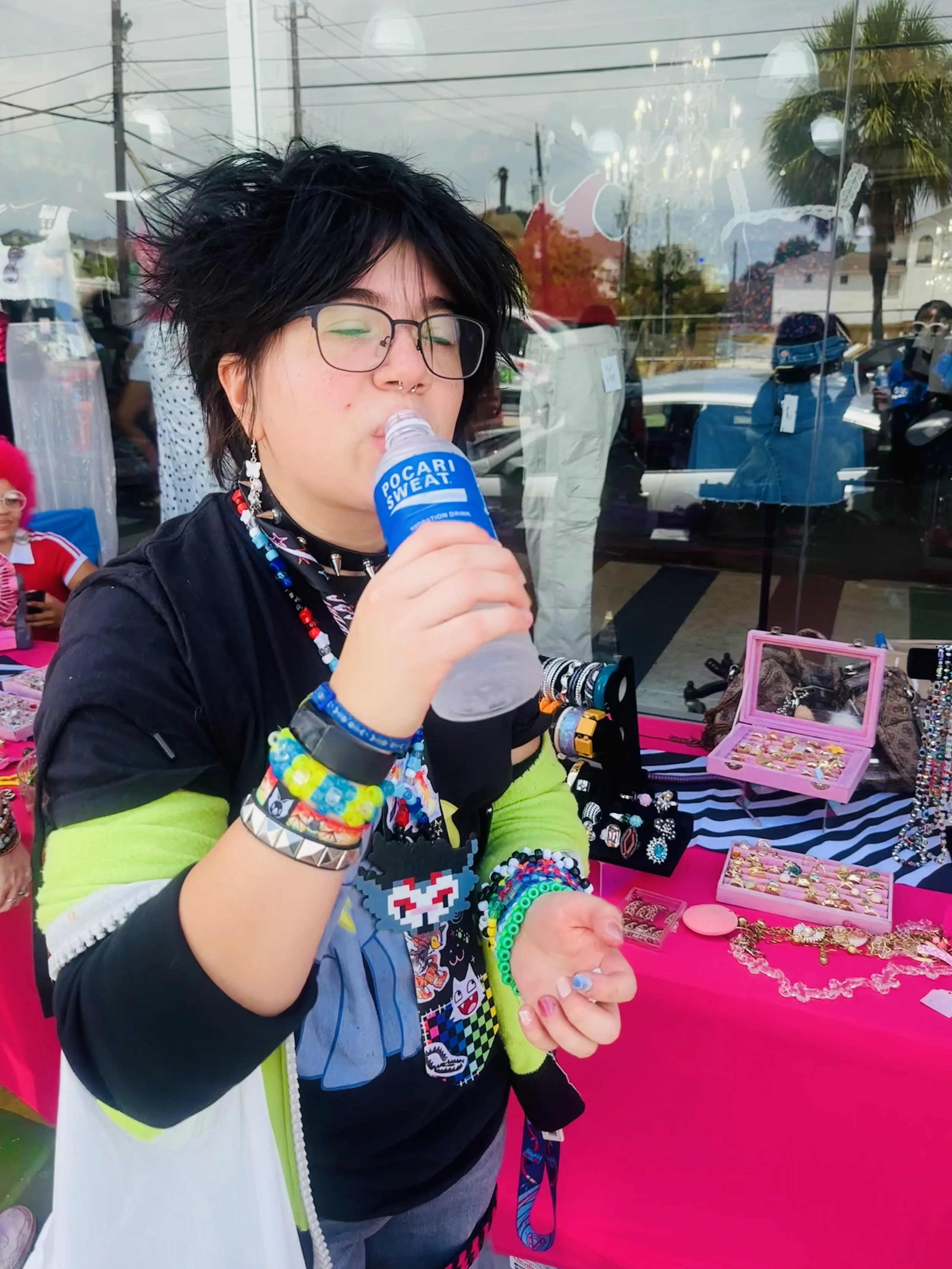
The third was event sponsorship. Community events, Angels baseball games, wellness activations, Head in the Clouds and Anime Expo allowed the brand to appear within existing communities rather than asking consumers to come to it. Each setting did a different job. Sports and wellness events connected the drink to active hydration. Festivals created scale and energy. Japanese cultural events connected Pocari Sweat to an audience that often already knew and loved the brand.
Together, these channels made the program stronger than any single sampling format could have been. Retail supported purchase. Street teams found the product's most relevant everyday occasions. Events built visibility and cultural connection.
This is a useful principle for any field marketing agency working on a market-entry campaign: reach matters, but context determines whether a sample becomes meaningful.
Product Education Cannot Be Reduced to a Handoff
The most frequent consumer question was about sugar.
That concern could not be dismissed or answered with a memorized slogan. Brand ambassadors needed enough product knowledge to explain the role carbohydrates play in the formulation and hydration story, while staying within approved language. The interaction had to be clear, accurate and respectful of the consumer's concern.
This is one of the clearest differences between distribution and field marketing. Distribution counts how many units leave the case. Field marketing considers what the consumer understands when the product reaches their hand.
A sample without explanation might introduce the flavor, but it may leave the biggest barrier to adoption untouched. A thoughtful conversation can uncover the hesitation, address it and give the consumer a reason to reconsider the product.
That is especially important for products with a scientific story. The people representing the brand need more than energy and approachability. They need to understand the product well enough to make a complex idea accessible without overpromising what it does.
Cultural Heritage Is an Advantage Not Baggage
Market entry often creates pressure to make an international brand feel broadly American as quickly as possible. But localization should not mean stripping away the identity that made the brand distinctive in the first place.
Pocari Sweat's Japanese heritage gave the U.S. program a valuable starting audience: people who had encountered the drink in Japan, grew up with it elsewhere in Asia or discovered it through Japanese food, travel, anime and popular culture. At heritage-focused events, these consumers did not need a basic introduction. They were enthusiastic "super fans" who arrived with their own stories and helped create visible excitement around the brand.
Their response offered an important lesson. Existing affinity can become a bridge to a wider audience.
The goal is not to remain inside a cultural niche forever. It is to use the brand's most credible community as a foundation for growth. For Pocari Sweat, that meant preserving Japanese cultural events as a core pillar while also appearing at American sports, wellness and community occasions.
The strongest strategy was not heritage or crossover. It was heritage and crossover.
Brands entering the U.S. should be careful not to discard cultural equity in pursuit of mass appeal. The consumers who already understand the brand can generate early momentum, offer social proof and help introduce it to people who do not.
The Field Reveals Audiences a Media Plan May Miss
Direct consumer interaction also showed which audiences required the least explanation.
Festivalgoers responded well because hydration solved an immediate need. Firefighters understood the relevance because heat exposure was part of their work. One especially useful discovery came from mountain bikers. Many already understood electrolytes and the role of carbohydrates in hydration, so they quickly grasped the product's value.
That response suggests a broader targeting principle: do not look only for people who fit the lifestyle image of a product. Look for communities that already possess the knowledge needed to appreciate it.
Field marketing creates a live feedback loop. Brand ambassadors hear repeated questions, observe where the explanation lands and identify audiences that respond with unusual enthusiasm. Reporting those insights should influence the next event list, message hierarchy and staffing plan. In that sense, the field is not simply an execution channel. It is a research environment.
This same focus on contextual relevance appears in Evolve's work for other international brands. Kopiko connected product trial to free fuel, creating an immediate link between the product benefit and a student need. Oishii used farmers markets because those environments already attracted shoppers who valued food quality, provenance and conversation. The format changes, but the principle is consistent: introduce the product where people have a reason to care.
Brand Ambassador Training Is Market Entry Infrastructure
When a product requires education, staffing cannot be treated as the final item on a production checklist.
Evolve and Pocari Sweat worked together to build the training materials and refine how the brand story should be told. Teams needed to understand the product category, its everyday-hydration position, its Japanese heritage, common consumer questions and the boundaries of approved product claims.
The client's involvement made a meaningful difference. Pocari Sweat team members attended activations, observed interactions, coached in real time and handed out samples alongside the field staff. On site, job titles mattered less than shared ownership of the consumer experience.
That kind of participation strengthens a program in two ways. It gives brand ambassadors direct access to product expertise, and it gives the client an unfiltered view of consumer response. Instead of waiting for a recap deck, decision-makers can hear the questions themselves.
Results Are Strongest When They Produce Learning
Across Los Angeles, San Francisco and Houston, the program delivered 102 event days and distributed 232,081 samples. It generated 3,181,751 event impressions, added 10,601 social media followers and distributed 6,699 branded premiums.
Those figures demonstrate scale, but the deeper result was a clearer understanding of how Pocari Sweat could earn relevance in the U.S. The program identified high-performing audiences, showed why live education was necessary and reinforced the value of using Japanese heritage as a launch asset.
That is why the best reporting does more than prove activity. As Evolve's overview of experiential marketing examples explains, strong programs connect the product to a real consumer need and use each activation to sharpen what comes next.
What International Brands Should Take from Pocari Sweat USA
Pocari Sweat's U.S. field marketing program offers several lessons for other brands entering the market:
First, preserve what makes the brand distinctive. Cultural heritage can provide credibility and a passionate first audience.
Second, invest in education. If consumers need to understand a new category, ingredient story or use occasion, sampling alone is not enough.
Third, choose moments rather than crowds. The right context can make a product's purpose immediately clear.
Fourth, train staff as translators, not distributors. Brand ambassadors should be able to listen, answer and adapt while protecting the accuracy of the brand story.
Finally, treat the field as a source of strategy. Consumer conversations can reveal objections, language and audiences that no planning deck will uncover on its own.
For a Japanese brand entering the U.S., successful localization is not about becoming less Japanese. It is about making the brand's value legible to an American consumer without erasing the identity that created that value.
That is what field marketing actually takes: the right product, in the right moment, explained by the right person.