
25 Experiential Marketing Examples That Actually Worked — and Why
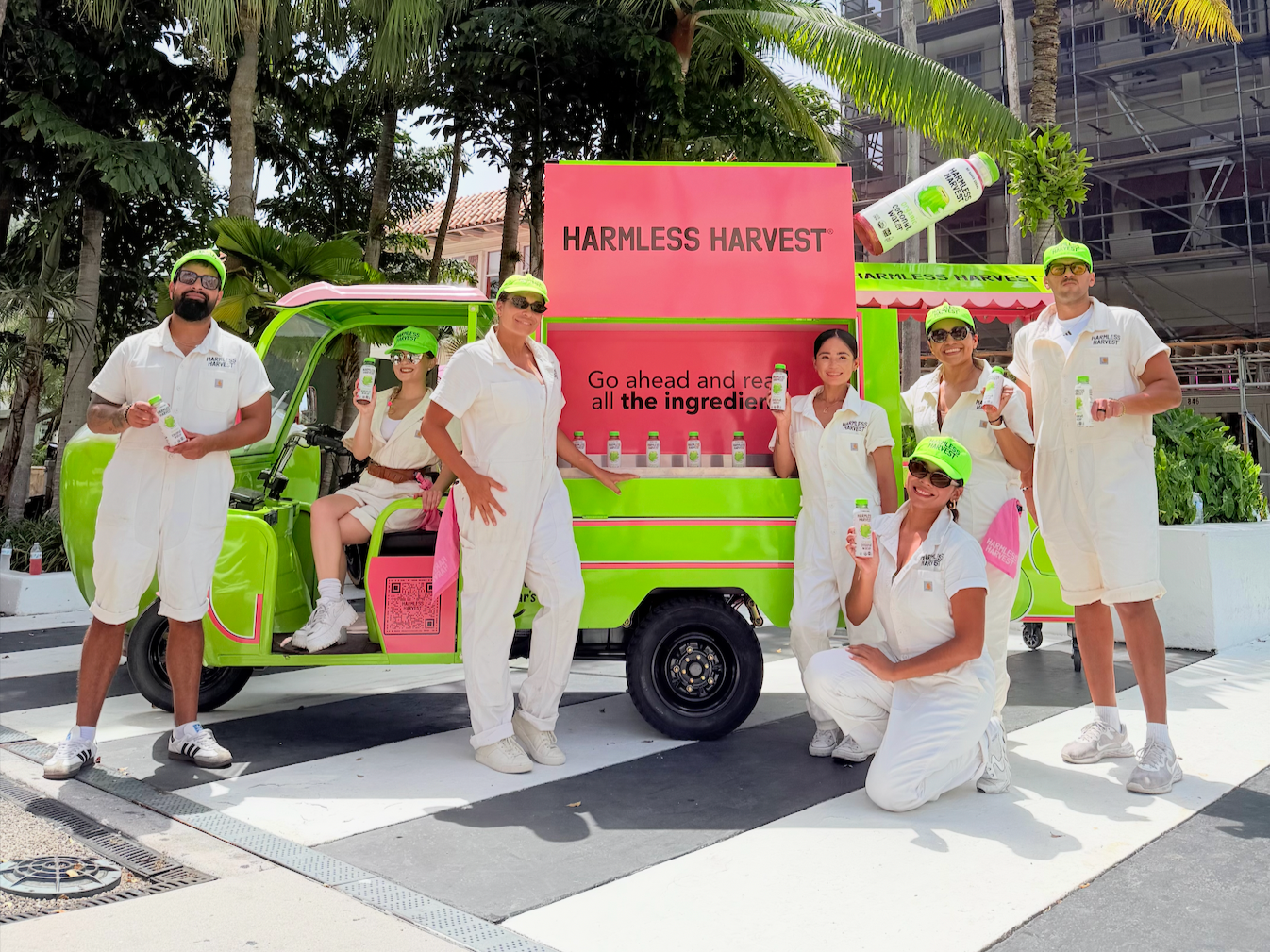
The best experiential marketing examples are not always the loudest ones. They have a clear job to do: drive trial, support retail, build community, create cultural relevance or make a product easier to remember. These 25 brand activation examples show what worked, why it worked and what you can take into your next experiential marketing campaign.
Experiential Marketing Examples That Drove Product Trial
1. Kopiko gave students free fuel with a coffee purchase
Kopiko USA launched its solid Focus Coffee product with a multi-day activation at a Mobil gas station in Westwood, Los Angeles. Students who showed a valid student ID and bought a $2.99 pack received up to $70 in free gasoline.
Evolve’s case study reports that the activation gave away 9,000 gallons of fuel, valued at approximately $45,000. It also delivered product sampling, influencer engagement and organic media coverage. Read about Evolve’s Kopiko sampling activation in Los Angeles.
Why it worked: Kopiko connected product trial to an immediate financial benefit. It also chose a location that naturally attracted its target audience.
Takeaway: If you want people to try a new product, build the offer around a real consumer need. Free fuel was more motivating than a generic giveaway.
2. Pocari Sweat turned hydration into a multi-market experience
Pocari Sweat entered the U.S. market through a campaign spanning Los Angeles, San Francisco and Houston. As Evolve Activation, we combined Costco activations, sports events, wellness events and street teams offering product samples and hydration-focused interactions. According to our case study, the campaign ran for 102 event days and distributed 232,081 samples. It generated 3,181,751 impressions, increased social followers by 10,601 and distributed 6,699 branded premiums. See the Pocari Sweat field marketing case study.
Why it worked: The activation did not rely on one audience or one setting. It placed a hydration product in contexts where hydration already mattered: fitness, sport, heat and wellness.
Takeaway: For a new-market launch, repeat exposure matters. Build a programme that reaches people through several relevant consumer moments.
3. Oishii sold premium strawberries at farmers markets
Oishii used farmers markets to introduce its premium, vertically farmed strawberries to food-conscious shoppers in New York, New Jersey, Boston and Washington, D.C.
We ran the programme across 16 farmers markets over eight weeks. The case study reports 6,250 units distributed and 45,400 attendees engaged. Products sold out at almost every event, and organisers asked Oishii to return. Read the Oishii farmers market activation case study.
Why it worked: The channel matched the product. Farmers market shoppers already valued quality, provenance and personal recommendations.
Takeaway: Do not choose an event because it has a large audience. Choose it because the audience has a reason to care about your product.
4. Vitaminwater made sampling part of city life
Vitaminwater became known for placing bright, playful sampling teams in high-footfall urban areas, including transport hubs, festivals and outdoor events. The product was easy to understand and easy to consume on the spot. Strong visual branding made the teams recognisable, while the timing often matched moments when people were thirsty or active.
Why it worked: The activation removed friction. Consumers did not need to enter a venue, download an app or complete a long interaction.
Takeaway: Sampling works best when the product solves an immediate problem.
5. Ben & Jerry’s turned product sampling into a social statement
Ben & Jerry’s has used sampling vans and pop-up events to distribute ice cream while reinforcing its social and environmental positioning. The brand’s activations feel like extensions of its personality rather than disconnected promotional tactics. The team, copy, packaging and experience all support the same point of view.
Why it worked: The product was familiar, but the surrounding story gave people another reason to engage and share.
Takeaway: Sampling does not have to be silent. Use the interaction to communicate what the brand stands for.
Sampling is strongest when the product solves an immediate need and the audience can buy it nearby.
Pop-Up and Retail Brand Activation Examples
6. Dandy Worldwide created a roadside oasis
Dandy Worldwide partnered with Evolve to create a nostalgia-led pop-up modelled on a vintage gas station. The Roadside Oasis brought a full roadside experience into the city, combining immersive design, product discovery and direct sales. The activation attracted hundreds of attendees and sold out its featured Dandy Worldwide products. It also generated organic reach across Instagram, TikTok and Threads. Read about Evolve’s Dandy Roadside Oasis pop-up.
Why it worked: The setting was not decoration. The roadside concept gave the product a world, a mood and a visual identity people wanted to photograph.
Takeaway: A pop-up needs a strong premise. “Come visit our temporary store” is not enough. Give people a place they want to enter.
For more planning guidance, read Evolve’s pop-up events and experiential marketing guide.
7. Monster Energy made a product launch impossible to miss
To launch Fantasy Ruby Red, Monster Energy created a 12-foot can bursting from the ground on Abbot Kinney Boulevard in Venice, California. The installation included an app-less augmented reality experience featuring the can’s custom artwork. A VIP event with artist Pinky Taylor added cultural relevance and gave creators more content to capture.
Evolve’s case study reports 3,100 attendees, 140,967 impressions, 6,904 mentions and 767 AR engagements. See the Monster Energy Fantasy Ruby Red case study.
Why it worked: The physical installation created immediate attention. AR then gave people something to do with that attention.
Takeaway: Technology should extend the idea, not carry it. If the physical experience is weak, an app will not rescue it.
8. Zevia created a colourful Pride sampling bar
Zevia came to Evolve with a clear goal: introduce its zero-calorie beverages while creating a welcoming experience at Pride.
Evolve built a bright, rainbow-adorned pop-up lounge with a colourful sampling bar, comfortable seating, Pride décor and photo opportunities. Attendees could relax, connect and try Zevia’s newest beverages in a space designed around celebration rather than a simple product handout. Read Evolve’s Zevia Pride activation feature.
The activation became a Pride festival hotspot, with thousands of attendees sampling Zevia beverages.
Why it worked: The product was placed inside a relevant cultural moment. The space gave attendees a reason to stay, not just a reason to accept a drink.
Takeaway: When activating around a community event, design for the community experience first. The product should belong there.
9. ZOA Energy built a beach around one flavour
ZOA launched its limited-edition Cherry Limeade flavour with a pop-up on Venice Beach. The footprint featured a tiki bar, roller skaters, a plank challenge and a 20-ton sand sculpture of founder Dwayne “The Rock” Johnson holding the product.
Evolve’s case-study materials report a 41% increase in social engagement, 59% follower growth and more than 20 million video views. Cherry Limeade became ZOA’s fastest-selling flavour and sold out its limited run. Read about the ZOA Energy pop-up activation.
Why it worked: Every element supported the same summer-beach idea. The flavour was not just sampled; it became the centre of a highly visual environment.
Takeaway: Product launches benefit from one dominant visual idea that can work in person and on social media.
10. Sunglass Hut added service to luxury retail
Evolve developed a multi-market pop-up strategy for Versace eyewear at selected Sunglass Hut locations, Macy’s spaces and standalone storefronts.
Guests could have eyewear cases personalised by a professional calligrapher. A live DJ, trained Brand Ambassadors and influencer seeding added energy and exclusivity. Read about Evolve’s Sunglass Hut luxury retail pop-up.
Why it worked: The activation made shopping feel personal. The service created a premium memory without distracting from the product.
Takeaway: Luxury activations do not always need more technology. Sometimes the differentiator is better human interaction.
11. Apple made product demonstrations part of retail
Apple Stores are a long-running example of experiential retail. Visitors can test products, compare devices, attend sessions and ask questions before buying.
The product is not hidden behind a sales pitch. People can use it, explore it and make a more informed decision.
Why it worked: The experience reduced uncertainty. Consumers could explore the product at their own pace.
Takeaway: Design the physical experience around the decision you want the consumer to make.
Experiential Marketing Campaigns That Scaled
12. Voodoo Ranger took its launch across six markets
Evolve Activation launched Voodoo Ranger Vandal across three states and six markets over 56 event days. The programme combined sampling, retail support, local art and visits to more than 556 stores. Explore Evolve’s Voodoo Ranger multi-market launch tour.
Why it worked: The campaign combined consumer-facing activity with retail support. It did not stop at awareness; it helped create availability and momentum in stores.
Takeaway: A mobile tour should connect field activity to the sales path. Sampling is stronger when consumers can buy the product nearby.
13. Coca-Cola brought its brand to public moments
Coca-Cola has used mobile sampling, sports sponsorships, music events and branded trucks to meet consumers where culture is already happening.
The brand’s mobile presence often uses a simple formula: familiar product, high-energy teams, strong visual branding and a reason to participate.
Why it worked: Coca-Cola uses experiential marketing to reinforce availability and emotional association at scale.
Takeaway: A mobile programme needs operational consistency. The idea must work in every market without feeling generic.
14. Red Bull built a brand around participation
Red Bull’s event marketing spans sports competitions, music, stunts and athlete-led content. The brand does not simply place a logo beside an event; it often creates or owns the event format.
Why it worked: The experience is directly connected to the brand’s energy positioning. The event becomes proof of the brand promise.
Takeaway: Sponsorship is more effective when the brand contributes something audiences could not experience without it.
15. GURU Organic Energy used street-level engagement
Energy brands often rely on field teams to deliver trial near gyms, campuses, festivals and transport hubs. GURU Organic Energy is a useful example of how sampling can combine product education with a targeted audience strategy.
Why it worked: The team meets consumers in high-energy environments where the product has immediate relevance.
Takeaway: Segment your route by behaviour, not just geography. A busy area is not automatically the right area.
16. Lululemon made community part of the product
Lululemon’s local events, wellness sessions and ambassador programmes turn stores and public spaces into gathering points. The product sits inside a broader community experience. Consumers engage with instructors, athletes and other customers rather than only with retail staff.
Why it worked: Participation does not end when the event does. The brand becomes associated with a repeatable lifestyle routine.
Takeaway: Build a programme people can return to. One-off events create attention; communities create continuity.
A mobile tour is not just a vehicle moving between cities. It is a repeatable operating system for audience, message, staffing, logistics and measurement.
Campus and Guerrilla Marketing Examples
17. Google Pay used instant rewards on campus
Google Pay created a high-traffic campus footprint staffed by trained Brand Ambassadors. Students who downloaded Google Pay could play a digital spin-to-win game and receive instant prizes. See Evolve’s Google Pay campus event.
Why it worked: The desired action was clear, immediate and rewarded on the spot.
Takeaway: If you need downloads or sign-ups, remove the delay between action and reward.
18. Spotify turned street marketing into discovery
Spotify has used branded installations, listening experiences and city-specific creative to make music discovery feel physical.
The strongest executions use local data, artist culture or audience behaviour to make the message feel personal to the location.
Why it worked: The brand translated a digital product into a physical experience without pretending the digital product did not exist.
Takeaway: A physical activation can make an intangible service easier to understand.
19. Campus street teams made niche brands feel familiar
Campus guerrilla marketing programmes can introduce food, beverage, technology and entertainment products through sampling, ambassadors, games and student partnerships.
The format works when the team understands campus culture and chooses locations based on student routines rather than simply setting up near the busiest entrance.
Why it worked: Students are more likely to engage with a peer-led interaction that feels relevant to their day.
Takeaway: Hire for social intelligence. A friendly team is not enough; ambassadors need to read the room.
Sponsorship and Sports Activation Examples
20. Firestone built a destination at King of the Hammers
Firestone wanted to connect with the off-road community, so Evolve partnered with King of the Hammers. At the event’s temporary Hammertown settlement, Evolve designed and built a 4,000-square-foot Destination Lounge.
The space included a brand history exhibit, lounge areas, complimentary hot drinks and s’mores, an oversized prize wheel and a sweepstakes for data collection. Read Evolve’s Firestone off-road sponsorship activation case study.
Why it worked: Firestone created a useful destination within a demanding event environment. The lounge gave people a reason to stay, relax and interact.
Takeaway: Do not measure a sponsorship only by logo visibility. Build a space that improves the audience’s day.
21. Nike turned sport sponsorship into participation
Nike’s sports activations frequently include training sessions, product trials, athlete appearances, interactive challenges and community events.
The strongest executions make spectators feel like participants. They connect professional performance with an experience people can try themselves.
Why it worked: Participation creates a stronger memory than passive branding.
Takeaway: Ask how the audience can perform, test or learn—not just watch.
22. Heineken used live events to create shared rituals
Heineken has used football, music and cultural partnerships to create branded viewing environments and social occasions.
The beer is part of the ritual, but the activation is built around the shared experience of being there with other fans.
Why it worked: The brand supported an existing social behaviour instead of forcing an unrelated message into the event.
Takeaway: Start with the audience ritual. Then find the role your product can play inside it.
Immersive Experiential Marketing Activations
23. Snap used augmented reality to demonstrate the product
Snap has used AR experiences to show how its technology can change the way people see and interact with their surroundings. Evolve’s AR activation work combined immersive technology with an in-person brand environment. Explore Evolve’s Snap augmented reality activation.
Why it worked: The audience experienced the product benefit directly. The technology was not explained through a brochure; it was demonstrated.
Takeaway: Use immersive technology when the technology itself is part of the product story.
24. Inspired by Iceland made destination marketing tangible
Tourism brands can struggle to make a distant place feel real. Inspired by Iceland has used immersive installations, cultural storytelling and event-led experiences to bring Iceland’s landscapes and personality closer to potential travellers.
Why it worked: The activation sold a feeling and a future memory, not only a destination.
Takeaway: For intangible products, create a small physical version of the promise. Let people feel what they are being asked to imagine.
25. Progressive Insurance made Pride personal
For Progressive Insurance’s “Faces of Pride” activation, Evolve created a high-tech photo studio booth with professional lighting and Pride-themed backdrops. Attendees could capture portraits and share them through social media, while Evolve’s tour managers took the experience across multiple cities.
Why it worked: The activation gave people a personal role in the campaign. Instead of looking at a brand message, attendees became part of the content.
Takeaway: Personalisation works when the audience receives something worth keeping and sharing.
Technology earns its place when it makes the product easier to understand or gives the audience a better story to tell.
How do you choose the right activation type?
Start with the marketing job, not the format.
We start with the action you need the audience to take. Then we build the experience around it, including the audience journey, staffing model, production requirements and measurement plan.
A useful brief should define:
The audience you need to reach.
The action you want them to take.
The value you will give in return.
The operational constraints.
The metrics that will decide whether the programme worked.
Evolve’s experiential marketing services cover strategy, creative, programme management, staffing, logistics, technology and measurement under one roof. For consumer packaged goods, see the CPG experiential marketing service page when planning a sampling, retail or product-launch programme.
FAQ
What are Examples of Experiential Marketing?
Examples of experiential marketing include product sampling, pop-up shops, mobile tours, sports sponsorships, campus campaigns, immersive installations, AR experiences and branded community events. The common feature is direct audience participation rather than passive advertising.
What are Brand Activation Examples?
Brand activation examples include Kopiko’s fuel giveaway in Los Angeles, Monster Energy’s Fantasy Ruby Red AR installation, Firestone’s King of the Hammers lounge and Dandy Worldwide’s roadside pop-up. Each gave consumers a specific reason to engage with the brand.
What are Experiential Marketing Campaigns?
Experiential marketing campaigns are planned programmes that use live or interactive experiences to achieve a marketing goal. A campaign may include one event or a series of activations across markets, retailers, campuses, festivals or sports venues.
What are Experiential Marketing Activations?
Experiential marketing activations are the individual experiences consumers encounter within a campaign. A sampling booth, product demonstration, pop-up, branded lounge or mobile tour stop can all be experiential marketing activations.
How do you Measure Experiential Marketing?
Measure experiential marketing against the action the campaign was designed to drive. Common metrics include attendance, qualified interactions, samples distributed, product trial, sales, sign-ups, social content, impressions, media coverage and cost per engagement.
Plan your Next Activation
The right experiential marketing idea starts with a clear job to do. We handle strategy, creative development, production, staffing, logistics and reporting with one team. Planning a sampling programme, mobile tour, pop-up or launch? Tell us what you’re trying to do →
