
Why Experiential Marketing Continues to Grow Despite Digital Advertising
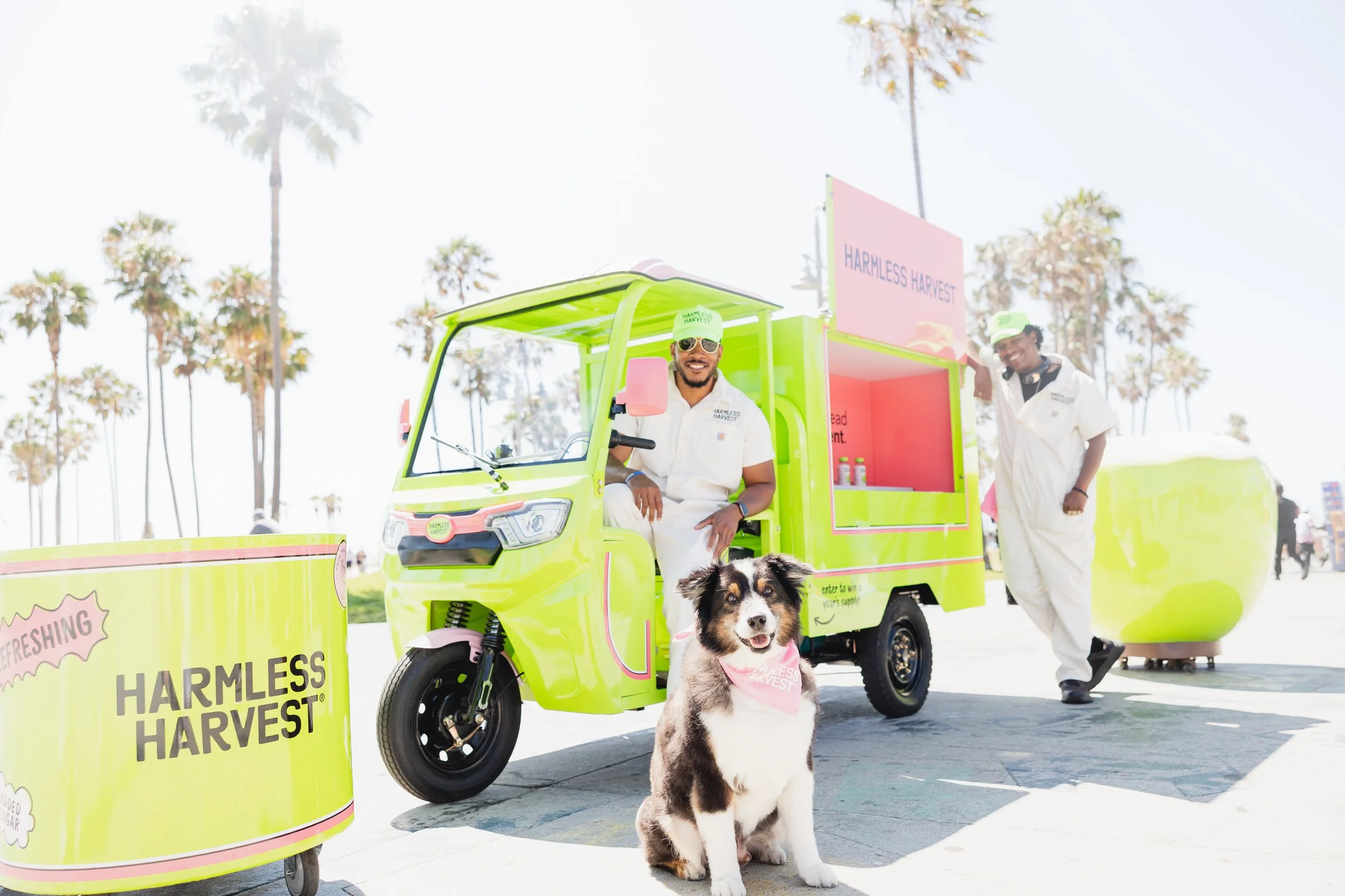
Digital advertising dominates today's marketing landscape. Brands invest billions in search advertising, social media campaigns, video platforms, influencer partnerships, and display ads to reach consumers wherever they spend time online. These channels deliver impressive reach, detailed audience targeting, and measurable performance. Yet, despite the rapid growth of digital advertising, experiential marketing continues to expand year after year.
This growth is not surprising. Consumers spend more time online than ever before, but they also face constant interruptions from advertisements competing for their attention. As digital spaces become more crowded, brands are looking for new ways to create meaningful connections. Experiential marketing fills that gap by giving people something digital ads cannot, a real-world interaction that leaves a lasting impression. Instead of choosing between digital advertising and live experiences, successful brands are investing in both because each plays a different role in the customer journey.
Digital Advertising Builds Awareness
Digital advertising remains one of the fastest ways to introduce a brand, product, or service to a large audience. Platforms such as Google, Instagram, TikTok, Facebook, LinkedIn, and YouTube allow marketers to target consumers based on age, interests, location, online behavior, and purchasing habits.
These tools help businesses generate awareness, drive website traffic, and encourage online purchases. Performance data also gives marketers immediate insight into impressions, clicks, conversions, and return on investment. This level of measurement makes digital advertising an essential part of nearly every marketing strategy.
Even so, digital advertising faces growing challenges. Consumers scroll quickly through content, skip video ads, block display advertisements, and receive hundreds of promotional messages every day. Capturing attention has become increasingly difficult because every brand is competing for the same few seconds of consumer focus.
This is where experiential marketing creates value.
Experiences Create Stronger Emotional Connections
Experiential marketing focuses on participation instead of observation. Rather than asking consumers to watch an advertisement or click a link, brands invite them to interact with products, explore immersive environments, and engage with knowledgeable brand representatives.
Whether through pop-up activations, festivals, sporting events, product sampling, mobile tours, or retail experiences, consumers become active participants instead of passive viewers.
This involvement creates stronger emotional connections. People naturally remember experiences more clearly than advertisements they briefly encounter while scrolling online. When consumers physically engage with a brand, the interaction feels personal, authentic, and memorable.
These positive experiences often influence purchasing decisions long after the event has ended.
Real-World Interaction Builds Consumer Trust
Trust remains one of the biggest challenges facing marketers today.
Online advertisements often compete with misinformation, sponsored content, and countless promotional messages. Consumers have become more selective about which marketing claims they believe.
Experiential marketing allows brands to remove uncertainty by letting consumers experience products firsthand.
Someone who samples a new food product, tests a piece of technology, drives a new vehicle, or participates in a live demonstration forms an opinion based on direct experience rather than advertising alone.
Brand ambassadors also play an important role during these interactions. They answer questions, explain product features, and create genuine conversations that help consumers make informed decisions. This personal engagement builds credibility in ways that digital advertising often cannot achieve on its own.
Live Experiences Strengthen Digital Campaigns
Experiential marketing and digital advertising are often viewed as separate strategies, but they perform best when combined.
Digital advertising helps promote upcoming activations by increasing awareness, driving registrations, encouraging event attendance, and generating excitement before the experience begins.
Once the activation is underway, attendees become content creators. They post photos, record videos, share reviews, and publish their experiences across social media platforms.
This user-generated content extends the campaign well beyond the event itself. Friends, family, and followers see authentic reactions instead of traditional advertisements, which often creates greater trust and stronger engagement.
As a result, one successful experiential campaign generates value both on-site and online.
Consumers Expect More Than Advertisements
Modern consumers, particularly younger generations, increasingly value experiences over traditional promotional messages. They want opportunities to interact with brands instead of simply being marketed to.
Successful experiential campaigns provide entertainment, education, and personal involvement. Whether visitors explore an immersive product installation, compete in an interactive challenge, or participate in a branded activity, they leave with a memorable experience rather than simply recalling an advertisement.
This expectation has encouraged brands across industries to increase their investment in experiential marketing. Retail, automotive, technology, healthcare, financial services, entertainment, and consumer packaged goods companies all recognize the value of creating moments that consumers remember.
Better Technology Makes Experiential Marketing Easier to Measure
One reason some businesses previously hesitated to invest in experiential marketing was the difficulty of measuring results. Today, technology has largely solved that problem.
Brands collect valuable data before, during, and after events using registration platforms, QR codes, mobile apps, RFID technology, customer surveys, lead capture tools, and post-event follow-up campaigns.
These insights help marketers understand attendance, engagement, product interest, dwell time, lead quality, social media activity, and purchase behavior.
Digital advertising data adds another layer by showing how consumers discovered the event, interacted with follow-up campaigns, and completed purchases afterward.
Together, these insights provide a much clearer picture of campaign performance than either channel could deliver independently.
The Most Successful Brands Combine Both Approaches
The customer journey rarely follows a straight line.
A consumer might first discover a product through a social media advertisement, research it online, attend a live activation weeks later, follow the brand on social media, receive email updates, and eventually make a purchase.
Every interaction contributes to the final decision.
Digital advertising creates visibility. Experiential marketing builds confidence. Digital remarketing reinforces the relationship after the event. Together, these channels support consumers at every stage of the buying process.
Brands that integrate both approaches create multiple opportunities for engagement instead of relying on a single marketing channel.
Looking Ahead
As technology continues to evolve, digital advertising will remain a critical part of every marketing strategy. At the same time, the demand for meaningful, face-to-face interactions is unlikely to slow.
Consumers increasingly value authenticity, participation, and memorable experiences. Brands that create these moments stand out in crowded markets while building stronger emotional connections with their audiences.
Rather than competing with digital advertising, experiential marketing enhances it. Digital campaigns attract attention, while live experiences create lasting memories that inspire trust, encourage advocacy, and strengthen customer loyalty. Together, they form a marketing strategy that reaches consumers online, connects with them in person, and keeps the conversation going long after the event has ended.
