The Future of Trade Show Booths Is Experiential
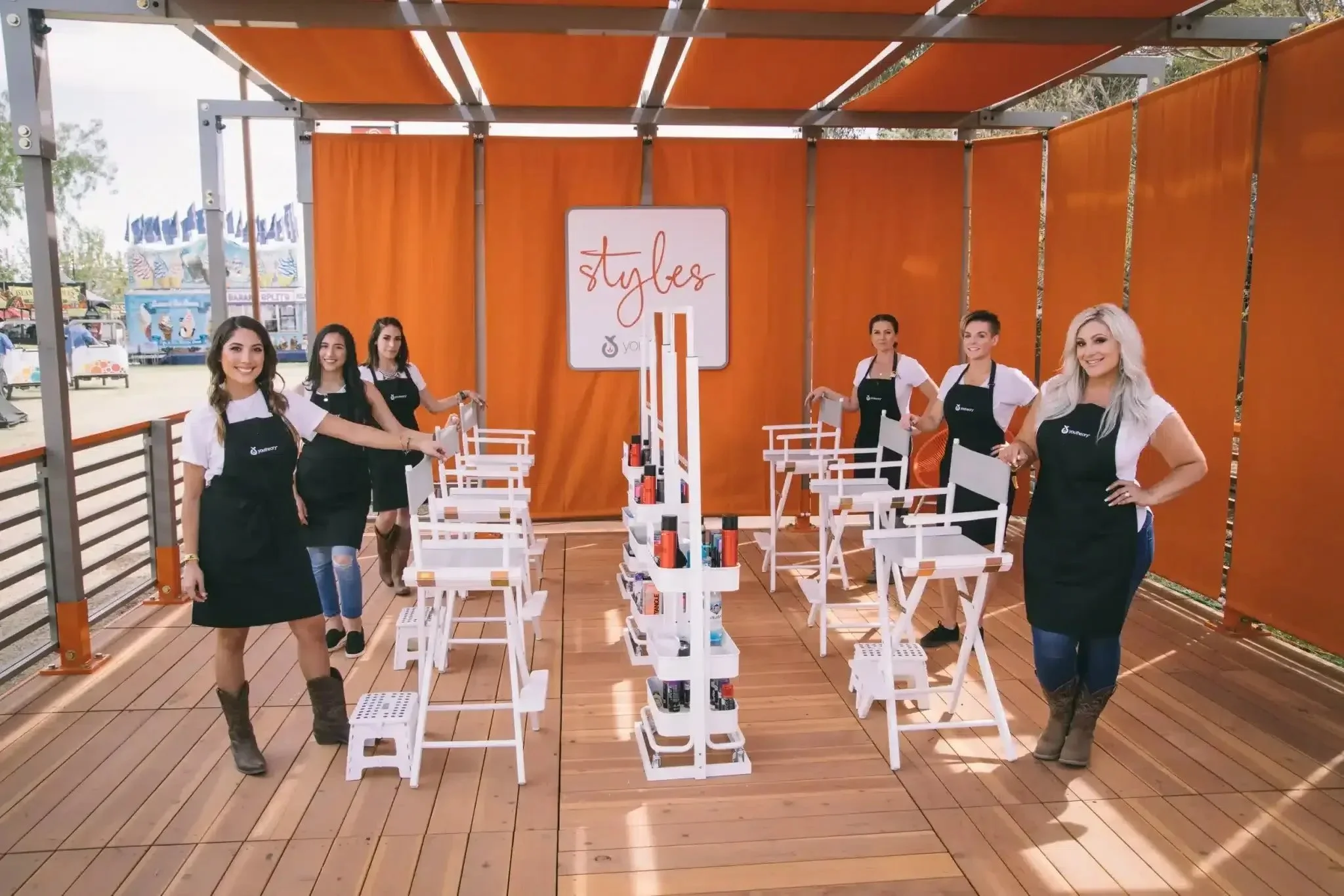
Trade show environments continue to evolve. Booth design no longer sits in the category of visual presentation alone. It now functions as a full experience system built to drive attention, interaction, and measurable outcomes. Recent discussions around large-scale healthcare trade shows highlight a clear pattern. Exhibitors are moving away from static, product-first booth builds and toward spaces designed for movement, conversation, and participation. The strongest booths do not rely on size or spectacle alone. They rely on how people move through them, what they do inside them, and how long they stay engaged.
Engagement Starts With the First Few Seconds
Attendees decide quickly whether a booth is worth their time. That decision happens before a conversation starts. Successful booth design prioritizes clarity of message, visible value, and immediate interaction points. When visitors understand what the space offers within seconds, engagement rises. When messaging feels unclear or overly broad, traffic moves past without stopping. This is why many exhibitors now design for fast qualification at the edge of the booth. Clear entry points, focused messaging, and visible activity zones help guide attention and set expectations before deeper interaction begins.
Booth Design Now Follows Conversation Flow
Modern booth layouts reflect how conversations unfold rather than how products are arranged. Instead of one large open space with scattered displays, many exhibitors now design distinct zones for specific interaction types. These include quick introductions, product demonstrations, and deeper private discussions. This structure supports different visitor intentions without forcing a single path through the space. Designing for flow creates better pacing. Visitors move from curiosity to engagement to evaluation without confusion or congestion. Staff also gain clearer roles within each zone, which improves consistency in how conversations develop.
Experience Beats Static Display Every Time
Static visuals alone no longer hold attention in crowded exhibition halls. Interactive moments drive stronger engagement because they shift visitors from observation to participation. Booths that incorporate hands-on demos, guided interactions, or simple experiential touchpoints create stronger recall. People remember what they do, not what they pass by. This is why many exhibitors now prioritize functional engagement stations over large decorative structures. The goal is not just visibility. The goal is interaction that creates memory and meaning.
Meeting Spaces Now Drive Conversion
Meeting areas inside booths have become central to performance. These spaces no longer sit at the back as secondary zones. They are now integrated into the core design strategy. Comfortable, intentional meeting environments encourage longer conversations and deeper qualification. Exhibitors are increasingly designing these spaces to feel distinct from the surrounding show floor. The separation creates focus, reduces noise, and supports more meaningful discussions. This shift reflects a broader move toward quality of engagement over volume of traffic.
Booth Design Must Support Storytelling
Strong booths function like structured narratives. Visitors enter, explore, engage, and exit with a clearer understanding of value. This requires intentional sequencing of space, messaging, and interaction points.b Instead of overwhelming attendees with multiple messages at once, effective booths guide attention step by step. Each area builds context for the next interaction. This approach strengthens comprehension and increases the likelihood of follow-up conversations after the event.
Technology Enhances, Not Replaces, Interaction
Digital tools continue to expand what booths can achieve. Interactive screens, guided demos, and data capture tools help structure engagement and improve insight gathering. These tools work best when they support human interaction rather than replace it. The strongest environments use technology to start conversations, not end them. Once visitors engage with content, staff step in to deepen understanding and guide next steps. This balance between digital engagement and human conversation defines modern experiential booth design.
Booth Performance Now Includes Data and Movement
Measurement now extends beyond lead counts and foot traffic. Exhibitors increasingly track movement patterns, dwell time, engagement points, and conversation quality. Design plays a direct role in these outcomes. Layout influences where visitors stop. Interactive zones influence how long they stay. Staffing placement influences how conversations unfold.
Booth design now functions as a performance tool. Every spatial decision affects engagement behavior and measurable results.
The Future of Booth Design Is Experience-Led
The strongest shift across experiential marketing is clear. Booths are no longer built to be seen. They are built to be experienced. Design, staffing, technology, and messaging now operate as one connected system. When these elements align, booths move beyond presentation and become environments that drive real engagement, better conversations, and stronger outcomes. The focus is no longer how a booth looks. The focus is what people do inside it.