What Happens to Experiential Marketing When AI Starts Making Decisions?
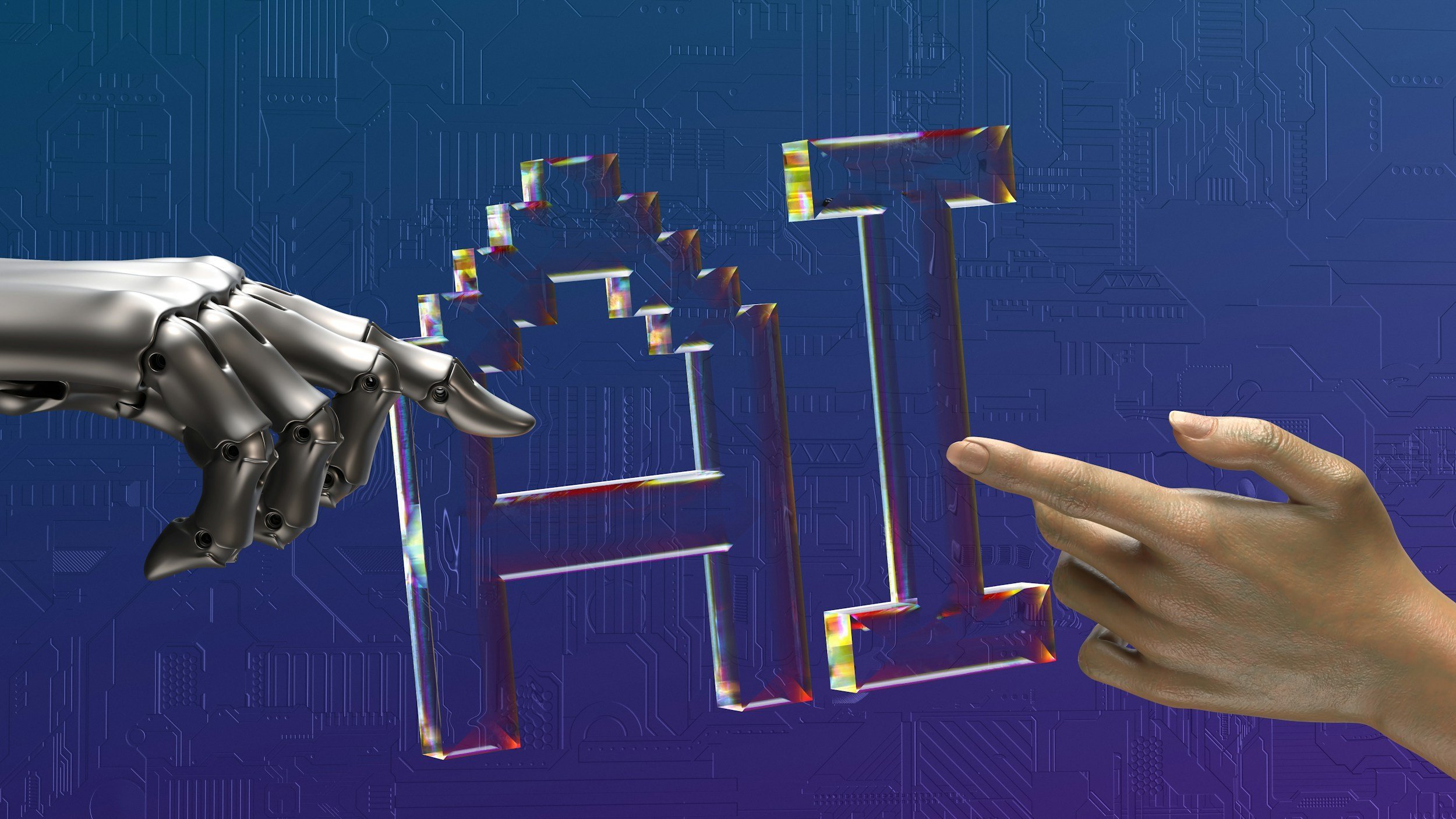
Experiential marketing has always focused on people, not only what they do, but how they think, what they feel, and what actually moves them to act. For a long time, that meant human behavior shaped the journey from first touchpoint to final decision.
That pattern is shifting.
AI now sits inside almost every decision path. It influences what people watch, shapes what they buy, filters what they see, and quietly removes what it predicts they will ignore. Recommendation engines guide choices before people notice a decision forming. AI assistants shorten research before a website even enters the picture. Algorithms control visibility long before a brand gets a fair chance to compete.
As a result, the path from brand to consumer no longer feels direct. It feels filtered, structured, and pre-shaped by systems working in the background.
And that is where experiential marketing enters a different role. If AI is already shaping attention before people arrive, the real question becomes simple: what still breaks through that filter and feels human enough to hold attention once they get there?
Why real-world experiences are starting to feel more valuable again
As digital spaces become more automated, audiences initially benefit from smoother, more relevant content and faster access to information. Over time, that convenience starts to feel repetitive. People scroll more but engage less, not from lack of interest, but because everything begins to feel similar and predictable.
That is where experiential marketing stands out. Unlike digital platforms, live experiences are not shaped by algorithms or ranking systems. Everything happens in real time, with real people, in shared physical spaces.
Once people step into that environment, they stop consuming content and start experiencing it. Interaction becomes immediate, attention becomes more natural, and focus increases without effort. As digital interactions grow faster and more automated, live experiences move in the opposite direction, slower, more human, and ultimately more memorable.
Why attention is no longer enough on its own
For a long time, experiential marketing leaned heavily on visibility. Bigger crowds, louder installations, stronger visuals. The thinking was simple, if people stop, look, and share, the campaign is working. But behaviour has shifted. Because now, attention is easy to get but hard to hold. People can film an activation, post it online, and forget about it within hours. The moment becomes content, not memory. And that is where brands are starting to rethink what success actually means.
Instead of chasing scale, many experiences are now built around something more intentional. Smaller groups. More conversation. Less noise. More interaction that feels natural rather than staged. And once that shift happens, the entire experience changes. A conversation with a brand ambassador feels more meaningful because there is space for it to develop. A small group discussion feels more real because it is not competing with background chaos. Even simple moments, like being welcomed properly or being remembered, start to carry more weight. So rather than trying to impress people with size, the focus shifts toward how people feel while they are there. And that feeling lasts longer than attention ever does.
Why trust is becoming the real deciding factor
At the same time, something else is changing in the background. As AI-generated content becomes more common, people are becoming less certain about what is real online. Everything looks polished. Everything feels curated. Everything can be created without a human ever touching it. Because of that, audiences are starting to question what they see before they believe it. And that is where experiential marketing gains real strength.
Because in a live environment, there is no guessing. People are not interpreting a message through a screen. They are experiencing it directly. They hear the tone in conversations. They feel the environment. They respond to real people in real time. So trust does not need to be explained. It is felt. And that is important because the more digital communication becomes automated, the more people rely on physical experiences to validate what they believe about a brand. So instead of competing with AI, experiential marketing starts doing something different. It creates proof through presence.
Where technology fits in without taking over the experience
Of course, AI is not separate from this world. In fact, it is already shaping how experiences are built. Because behind the scenes, brands are using AI to understand audiences better, personalise invitations, manage logistics, predict behavior, and even optimise event flow. It makes the operational side faster and more efficient. And that will continue. But even with all of that happening in the background, the emotional part of the experience still comes from something else entirely. Because technology can organise the experience, but it cannot replace what happens inside it. It cannot recreate spontaneous conversations between strangers. It cannot replicate shared reactions in a room. It cannot manufacture the feeling of being part of something in real time. Those moments still belong to people. And that is why experiential marketing continues to matter, even as everything around it becomes more automated.
Why experiential marketing is becoming a response to digital fatigue
Experiential marketing is increasingly responding to digital fatigue as it competes not just with other events, but with constant online overload. People are exposed to nonstop notifications, ads, and algorithm-driven recommendations, which creates mental noise and reduces meaningful attention. Live experiences interrupt that cycle by removing people from screens and placing them into real environments where interaction feels immediate and human. Instead of consuming more content, people step into moments built around presence, conversation, and shared experience. In that space, attention becomes more focused, engagement feels more natural, and memory becomes stronger. As AI continues to shape what people see online, these physical, human-driven moments stand out because they feel direct, real, and easier to remember.