
Understanding Color Psychology in Brand Activations
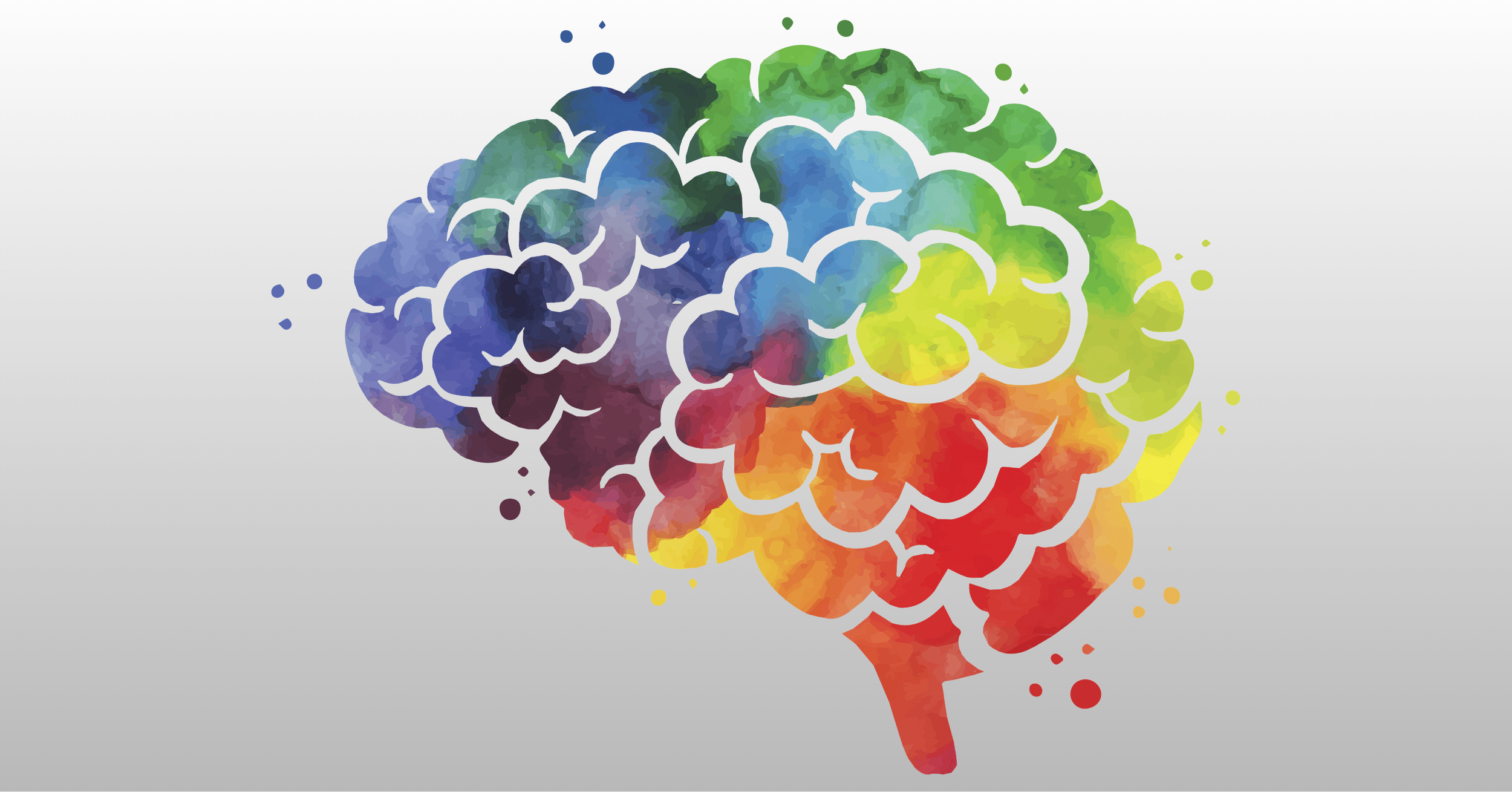
Color psychology examines how hues influence perception, emotion, and behavior, and it is central to experiential marketing where attention, intuition, and action unfold within seconds. Research consistently shows that warm colors such as red and orange increase arousal and can prompt faster decisions, while cool colors such as blue and green tend to support feelings of trust, calm, and cognitive ease. Saturation and contrast matter as much as hue: high saturation elevates visual salience and perceived energy, whereas lower saturation reads as premium and restrained; strong luminance contrast improves legibility and speeds recognition, which is critical for wayfinding, calls to action, and interactive prompts in crowded spaces. Applied strategically, color becomes a behavioral design tool that aligns the activation’s objective with the guest’s state of mind, from drawing initial attention to sustaining engagement and reinforcing memory.
The Impact of Color on Brand Identity
Color is one of the fastest, most durable brand cues, improving recognition and recall even when logos are absent. Consistency across touchpoints trains pattern recognition and reduces cognitive load, which in turn builds trust. Brands with distinctive, disciplined palettes demonstrate this effect across live and digital contexts. Examples include Coca‑Cola’s red signaling excitement and conviviality, IKEA’s blue and yellow pairing function and cheer, and Tiffany’s robin‑egg blue connoting exclusivity and gifting rituals. These associations did not happen by accident; they emerged from repeated, consistent use at high visibility and from guarding contrast and saturation so the signal remains stable under varied lighting and materials. In activations, extending a core palette with a “field palette” that specifies one high‑energy signal color, one calm base, and neutrals for structure preserves identity while adapting to the environmental demands of large‑format displays, LED walls, and print substrates.
Cultural Significance and Adaptation of Colors
Color meanings can vary between countries, cultures, and audiences, so brands should test color choices before launching global campaigns. For example, white is associated with purity in some cultures but mourning in others. Red often represents luck and celebration in parts of East Asia, while in many Western countries it is linked to warnings or danger. Green is commonly associated with nature and health, but in some regions it can carry political or religious associations.
Even within the same country, different age groups and communities may interpret colors differently. To avoid misunderstandings, brands should review designs with local teams and test them in real event environments before launch. The aim is to keep the intended effect of the color while adapting it to local preferences. For example, a brand might keep a bold attention-grabbing color for a call-to-action but switch to a different shade that resonates more positively with the local audience.
Creating Engaging Activation Spaces with Color
Color influences the event experience in three key ways: setting the mood, guiding attention, and helping people navigate a space. First, color helps create the atmosphere. For example, cooler colors such as blue often create a sense of trust and calm, while warmer colors like orange or red add energy and excitement. Using them together can create a balanced environment that feels both welcoming and engaging. Second, color helps direct attention. High-contrast colors make important messages, signs, and calls to action easier to notice from a distance. This is especially important for event signage, digital displays, and branded experiences where attendees need to quickly understand where to look and what to do next. Third, color can improve navigation. Consistent color coding for different zones, activities, or pathways helps attendees move through an event more naturally without relying heavily on instructions or staff assistance.
Event environments also present challenges. Lighting conditions can change how colors appear, and certain color combinations may look different when placed next to one another. Large areas of bright, saturated color can also become visually overwhelming over time. To avoid these issues, event planners should test colors under actual venue lighting, ensure text remains easy to read, and confirm that important visual elements remain clear and accessible for all attendees.
Conclusion
Color delivers the greatest impact in brand activations when every choice serves a clear purpose. Effective color strategies align with audience behavior, support brand recognition, and guide attendees through the experience. By carefully balancing hue, saturation, and contrast, brands influence how visitors navigate spaces, interact with activations, and engage with key messaging.
Successful activations also account for cultural context, venue conditions, and accessibility requirements. A color palette that performs well in one environment may produce different results in another. Testing colors under actual event lighting and real-world conditions helps ensure visibility, consistency, and usability.
Brands should view color as more than a design element. It is a measurable component of performance. Small adjustments to color placement, contrast, or visual hierarchy can influence approach rates, dwell time, participation levels, and conversions. When color decisions are backed by testing and aligned with activation goals, brands gain stronger recall, smoother wayfinding, and more meaningful audience engagement, turning creative vision into measurable outcomes.
