
Designing Experiential Activations Around the College Student Journey
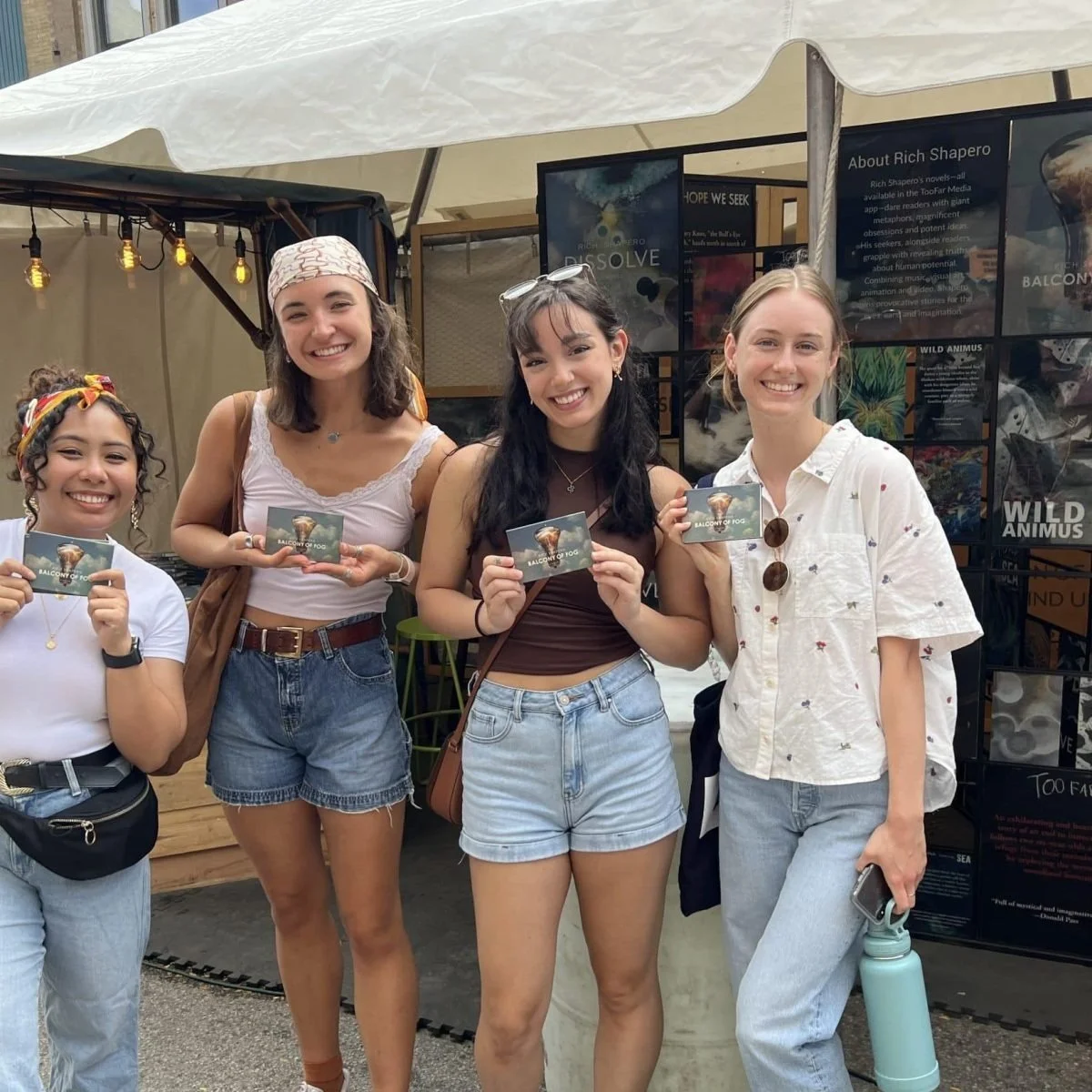
Most campus activations fail not because the idea is weak, but because they ignore the student’s path through the experience. Instead of treating a pop-up as a single moment, map it as a journey that starts before a student arrives and continues after they leave. When you design around arrival, engagement, participation, content creation, and exit, you create an activation that feels intentional, easy to join, and worth remembering
Before: Setting Expectations and Building Anticipation
What happens before a student reaches your activation often determines whether they stop at all. Start by seeding curiosity through channels students already use, such as campus social pages, group chats, club newsletters, and ambassador networks. Tease the experience with short, visual posts that hint at the value without over-explaining, and use countdowns, limited drops, or “first 100 students” mechanics to create urgency. Align your timing with natural campus rhythms like move-in week, midterms, game days, or involvement fairs so the activation feels relevant rather than random. If possible, partner with student organizations or campus influencers to co-host or co-promote, which adds social proof and makes the event feel native to campus life.
Pre-arrival messaging should also set clear expectations about what students will get and how long it will take. A simple promise like “Grab a free sample in under two minutes” or “Spin to win exclusive campus merch” reduces friction and helps students decide quickly. Use QR codes on posters, table toppers, or digital ads that lead to a mobile-friendly landing page with location, hours, and a quick preview of the experience. This pre-work primes students to arrive with intent, which improves flow and increases the likelihood of meaningful engagement once they step into the space.
Arrival: The First Three Seconds
The moment a student approaches your activation is critical. Your setup should communicate the offer instantly through a single bold sign, clear branding, and a visible reward or interactive element. Avoid cluttered tables or confusing layouts that force students to figure out what is happening. Instead, design a clean entry point where an ambassador can greet them with a short, friendly line that explains the hook and invites them in. Music, lighting, or a subtle scent can also signal that this is a distinct experience worth entering, especially in busy spaces like quads or student unions.
Arrival is also where you set the tone for participation. Train staff to read body language and adjust their approach—some students want a quick sample, others are open to a longer interaction. Position your most eye-catching element, whether a game, demo, or photo backdrop, where it can be seen from the approach path to pull people in. If you expect lines, use simple visual cues like floor tape or stanchions to suggest order without creating a formal queue that feels intimidating. The goal is to make the first few seconds feel welcoming, clear, and low-pressure.
Engagement: Making Participation Feel Effortless
Once a student is inside the activation, the focus shifts to making participation feel easy and rewarding. Design a short, linear journey that moves from greeting to action to reward to next step, with each stage clearly marked and frictionless. For example, a student might be greeted, asked to scan a QR code or answer a quick question, invited to try a product or play a mini-game, then handed a sample or entry token before being prompted to follow or sign up. Keep each step under 30 seconds where possible, and avoid asking for too much information upfront.
Interactivity should feel native to student culture rather than like a sales pitch. Simple mechanics like spin-to-win wheels, oversized games, or quick challenges work well because they are fun and low-commitment. Live demos, personalization stations, or on-the-spot trials add uniqueness, while tech options like selfie booths or AR filters can deepen engagement if they fit your brand. The key is to balance entertainment with value—students should leave feeling like they gained something, whether that is a product, a moment of fun, or exclusive access.
Content Creation: Building Shareability Into the Experience
Gen Z students document everything, so design your activation with content creation in mind. Create a dedicated photo zone with customizable backgrounds, bold props, or branded neon and LED signage that feels worth posting. Offer instant digital assets like GIFs, filters, or auto-uploaded photos with a branded frame or hashtag to encourage sharing. Place the photo spot where it is visible from the main flow to attract curiosity and create social proof, and add a simple call to action such as “Tag us to be featured” or “Show this post for an extra prize.”
Content creation should feel organic, not forced. Instead of demanding posts as a condition for participation, make sharing a natural extension of the experience by providing visually striking moments and easy-to-use assets. Partner with campus creators or ambassadors to document the activation and amplify it on TikTok, Instagram Reels, and YouTube Shorts, which extends reach beyond the physical space. Track which moments generate the most posts and iterate on those elements for future activations.
Exit: Closing the Loop and Extending the Relationship
The exit is where many activations lose momentum, but it is also where you can turn a one-time interaction into an ongoing relationship. End the journey with a clear next step, such as a follow, email sign-up, contest entry, or discount code, and make it as frictionless as possible with QR codes and mobile-friendly forms. Thank students sincerely and, if appropriate, hand them a small takeaway that reinforces the brand, such as a sticker, sample, or limited-edition item.
Post-exit follow-up is essential for extending the relationship beyond the event. Use the data you collected to send personalized messages, exclusive offers, or invitations to future campus moments, and segment audiences based on their level of engagement during the activation. Share user-generated content from the event on your brand channels to create a sense of community and recognition, and consider rewarding loyal participants with early access or special perks. Measure what matters—engagement rates, content generated, conversions—and use those insights to refine the next activation.
Designing around the student journey transforms a campus activation from a transactional moment into a cohesive experience that students remember and share. By intentionally planning for before, arrival, engagement, content creation, and exit, you create an activation that feels purposeful, participatory, and worth talking about long after the pop-up is gone.
