Why Brands Are Investing in Moving Activations
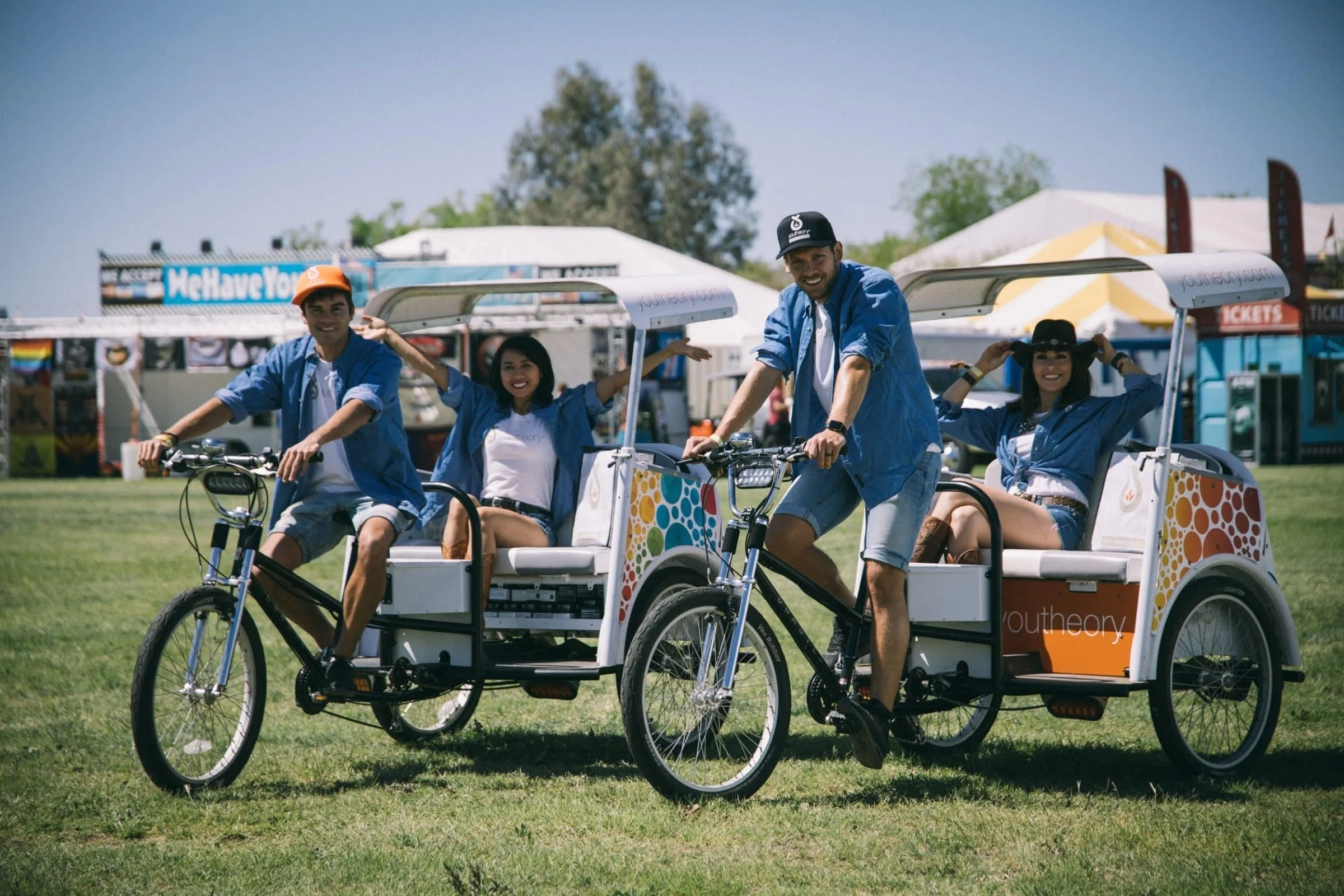
There was a time when experiential marketing depended on one thing above everything else. Getting people to come to you. Brands invested heavily in pop-ups, large-scale festival installations, and retail takeovers because consumers were willing to travel for experiences they had seen online. In many ways, the destination itself became part of the appeal.
Now, consumer behavior looks different. People move quickly between work, social plans, shopping, entertainment, and digital distractions throughout the day. At the same time, attention is fragmented, routines shift constantly, and convenience shapes almost every decision consumers make. Because of this, mobile experiential marketing has started gaining serious momentum again.
Double-decker buses, branded trucks, mobile lounges, and touring activations are no longer novelty ideas designed purely for visual impact. Instead, they are becoming practical and strategic ways for brands to place themselves directly inside the environments where consumers already spend time. Rather than waiting for audiences to arrive at an activation, brands are bringing the activation into the audience’s daily world.
And because of that, the entire dynamic of engagement changes.
People Pay Attention to What Feels Unexpected
Most modern advertising fades into the background because consumers expect to see it. Billboards line highways, digital ads interrupt scrolling, and branded signage fills shopping centers and festivals. Over time, people have trained themselves to filter out promotional noise almost automatically. A moving experiential activation, however, disrupts that routine in a completely different way.
When a branded double-decker bus pulls into a busy entertainment district or parks outside a festival, people notice because the experience feels unexpected within the environment around it. Naturally, there is immediate curiosity attached to movement. Consumers want to know what is happening inside, why crowds are gathering around it, and what brand is behind the activation. That curiosity matters because experiential marketing relies heavily on emotional reaction. Before consumers engage with products, staff, or activities, they first need a reason to stop. Mobile activations create that pause naturally because they interrupt routine without feeling intrusive. As a result, the experience begins before attendees even step through the door.
The Journey Becomes Part of the Campaign
One of the smartest aspects of mobile experiential marketing is how the activation creates awareness before officially starting.
Traditional pop-ups usually rely on consumers discovering the experience once they arrive at a specific location. Mobile campaigns operate differently because the movement itself generates visibility. For example, people spot the activation driving through the city, post videos online, and start conversations about where the vehicle is heading and what experience might be inside. Suddenly, the campaign starts building momentum during transit rather than only at the final destination. Because of this, brands create a more layered form of engagement. Consumers are not only documenting the experience itself once they enter. They are also sharing the arrival, the exterior branding, and the atmosphere surrounding the activation before they even participate. For brands, this extends the lifespan of the activation without requiring additional production costs. The vehicle functions as transportation, advertising, content generation, and audience engagement all at once.
Consumers Are Craving More Human Experiences
There is another reason mobile activations feel particularly relevant right now. Consumers are becoming increasingly skeptical of experiences that feel overly polished or manufactured purely for social media. Many large-scale activations succeed visually online but feel emotionally disconnected in person. Attendees walk through quickly, take photos, and leave without forming any real relationship with the brand behind the experience. Mobile experiential marketing often creates the opposite effect because the environment feels smaller, more approachable, and more personal.
For instance, a branded bus parked outside a sporting event or music festival feels naturally integrated into the atmosphere around it. As a result, consumers approach the experience with curiosity rather than pressure, which often leads to stronger engagement once they step inside. That environment also changes how attendees interact with staff members. Conversations feel less transactional because the setting feels more casual and accessible. Consequently, consumers are more willing to ask questions, test products, and spend time inside the activation when the experience feels welcoming rather than intimidating. In many ways, mobile experiential marketing strips the category back down to its most important element. Genuine human interaction.
Flexibility Has Become One of Experiential Marketing’s Biggest Advantages
Culture moves faster than most campaigns do. Trends shift within days, conversations evolve constantly, and brands struggle when activations take too long to adapt to changing audience interests. That is exactly where mobile experiential campaigns hold a major advantage. A touring activation allows brands to move between cities, audiences, and cultural moments without rebuilding entire experiences from scratch. The same setup can appear at a sports event one weekend, a college campus the next week, and a music festival shortly after that. Because of this flexibility, campaigns feel more current and connected to the environments they enter. Brands can adjust staffing, messaging, entertainment, and engagement tactics based on the audience in each location instead of relying on a single universal approach everywhere they go. Consumers notice when experiences feel tailored to the moment around them. And right now, relevance matters more than scale.
Why Mobile Activations Will Keep Growing
Experiential marketing is moving toward accessibility, adaptability, and cultural integration. Naturally, mobile activations support all three. They allow brands to create visibility across multiple locations, generate engagement in spaces consumers already occupy, and maintain flexibility in a fast-moving culture. More importantly, they make brand experiences feel less distant and more embedded within everyday life. Instead of asking audiences to come searching for an activation, brands are entering the spaces where real life is already happening. And increasingly, that approach feels far more aligned with how consumers want to engage today.