
Using Augmented Reality (AR) to Enhance Experiential Marketing
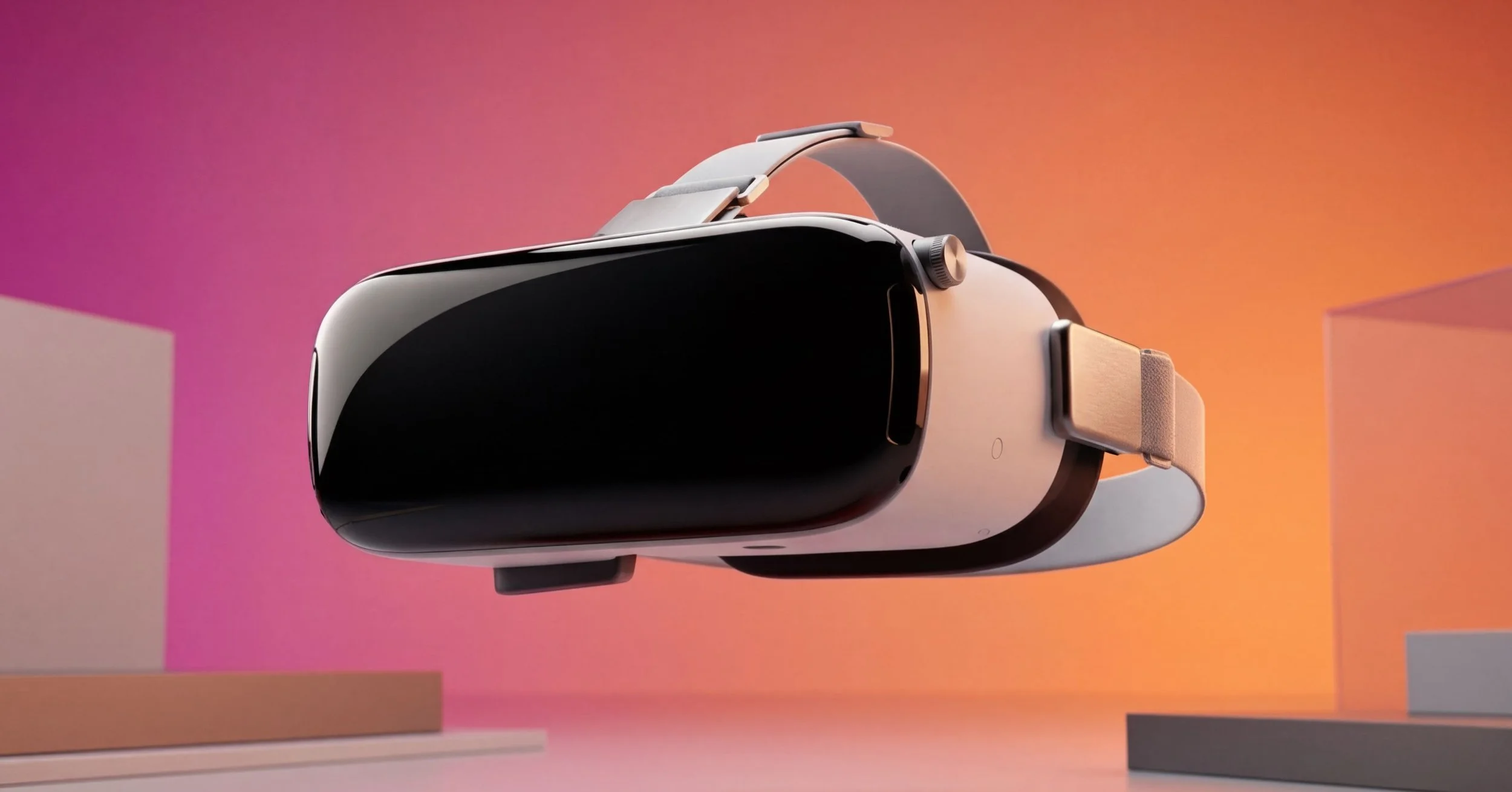
Experiential marketing has always centred on creating meaningful interactions between brands and consumers. Today, augmented reality (AR) is adding a new dimension to those experiences by blending digital content with the physical world. Rather than replacing face-to-face engagement, AR enhances it by encouraging people to interact with products, participate in activities, and explore branded environments in new ways. As more brands invest in experiential marketing, AR is becoming a practical tool for increasing engagement, extending campaign reach, and delivering experiences that leave a lasting impression.
How Augmented Reality Is Changing Experiential Marketing
Augmented reality overlays digital elements onto the real world through smartphones, tablets, or other connected devices. Unlike virtual reality, which places users inside a fully digital environment, AR builds upon the physical experience already taking place.
This makes AR a natural fit for experiential marketing. Visitors remain present within an activation while accessing interactive product information, animations, games, or digital storytelling that enriches their experience. A product launch, trade show booth, or pop-up event becomes more than a display. It becomes an experience people actively explore.
Consumer expectations have also evolved. Many attendees no longer want to stand back and observe. They want to participate. Brands that incorporate AR into their activations create opportunities for visitors to engage with products instead of simply looking at them. This level of interaction helps increase brand recall while making the experience feel more personal and memorable.
Creating Interactive Brand Experiences That People Remember
One of the biggest strengths of augmented reality experiential marketing is its ability to transform ordinary moments into engaging experiences. Rather than relying on printed displays or demonstrations alone, brands give attendees a reason to interact.
A beauty brand might let visitors virtually try different makeup products. An automotive company might use AR to reveal the technology hidden beneath a vehicle's exterior. A furniture retailer could show how products look inside different living spaces before a customer makes a purchase.
AR also supports gamification, which continues to be one of the most effective ways to increase participation at live events. Digital treasure hunts, interactive quizzes, prize challenges, and branded games encourage attendees to explore every part of an activation instead of visiting only one display.
These experiences often lead to longer dwell times, more meaningful conversations, and higher levels of customer engagement. They also create shareable moments that attendees post across social media, extending the reach of the activation well beyond the event itself.
How AR Supports Successful Event Activations
While the technology attracts attention, successful experiential marketing depends on thoughtful planning and execution. AR works best when it supports the overall activation rather than becoming the entire experience.
Brands increasingly use AR to improve navigation across large event spaces, guide visitors to different activity zones, unlock exclusive content through QR codes, and provide additional product information without overwhelming attendees with printed materials.
Knowledgeable event staff remain an essential part of this process. They introduce visitors to the technology, answer questions, troubleshoot issues, and encourage participation among those who may be unfamiliar with AR experiences. Once attendees have explored the digital content, staff continue the conversation by explaining product benefits and building genuine relationships.
This balance between technology and human interaction creates a smoother customer journey. Rather than replacing personal engagement, AR gives staff another tool for delivering informative and memorable brand experiences.
Measuring the Success of AR Experiences
Experiential marketing campaigns perform best when success is measured beyond attendance numbers. AR provides valuable insights into how visitors interact with an activation, helping brands understand which elements captured the most attention.
Brands can monitor metrics such as dwell time, completed experiences, QR code scans, product interactions, social media shares, lead generation, and visitor pathways throughout an event. These insights highlight where attendees spent the most time and which experiences generated the strongest engagement.
This data helps organisers refine future activations, improve event layouts, strengthen product demonstrations, and identify opportunities to increase customer participation. Combined with feedback gathered by event staff, AR analytics provide a clearer picture of campaign performance and return on investment.
As experiential marketing becomes increasingly data-driven, these insights allow brands to make informed decisions instead of relying on assumptions.
Best Practices for Using AR in Experiential Marketing
Technology should always support the experience rather than distract from it. The most successful AR activations are simple, intuitive, and aligned with the brand's objectives.
Experiences should load quickly, work across a wide range of mobile devices, and provide clear instructions for first-time users. Every digital interaction should serve a purpose, whether educating customers, encouraging product discovery, collecting leads, or creating memorable content worth sharing.
Brands should also test every AR feature before launch to ensure a smooth visitor experience. Even the most creative activation loses momentum if technical problems prevent attendees from participating.
Finally, brands should remember that AR is only one element of a successful activation. Strong creative design, clear messaging, skilled event staff, and thoughtful logistics remain the foundation of effective experiential marketing. When these elements work together, augmented reality becomes a powerful addition that strengthens engagement without overshadowing the human experience.
As AR technology becomes more accessible, brands that integrate it with purpose will be better positioned to create immersive brand experiences that audiences remember long after the event has ended.
Frequently Asked Questions
What is augmented reality in experiential marketing?
Augmented reality in experiential marketing uses digital content to enhance real-world brand activations. Through smartphones or other devices, attendees interact with products, animations, games, and personalised experiences while remaining engaged in the physical event.
How does AR improve customer engagement at live events?
AR encourages attendees to actively participate instead of simply observing. Interactive product demonstrations, gamified experiences, personalised content, and shareable social media moments increase engagement and help visitors spend more time interacting with a brand.
Does augmented reality replace event staff?
No. Event staff remain essential to successful experiential marketing campaigns. They introduce visitors to AR experiences, answer questions, solve technical issues, and build meaningful conversations that technology alone cannot deliver.
Which industries benefit most from augmented reality experiential marketing?
Retail, automotive, technology, beauty, healthcare, food and beverage, and consumer goods brands all benefit from AR. Any industry that wants to create interactive product demonstrations or memorable live experiences can use AR to increase customer engagement.
