
The Psychology of Surprise in Experiential Marketing
Experiential marketing has always been about more than presence. At its best, it creates a moment people can step into, respond to, and remember. And as audiences grow more selective about where they spend their attention, the brands that stand out are often the ones that offer something a little unexpected.
That is where surprise comes in. Not as a gimmick, and not as shock value, but as a way to interrupt routine and make an experience feel alive. A concealed entrance, a sudden product reveal, an interactive installation, or even a small twist in how a sample is delivered can change the tone of an entire activation. What might have been a standard touchpoint becomes a story people want to tell.
The most effective experiential campaigns understand that surprise works best when it is earned. They use anticipation, pacing, and emotional build-up to shape how the moment lands. When curiosity and connection are designed into the journey, the result is not just attention — it is memory, conversation, and content that lives beyond the event itself.
Why Surprise Captures Attention
People are naturally drawn to what breaks the pattern. At live events, attendees quickly build expectations around what they are going to see: a registration desk, a product display, a demo station, a branded giveaway. When an activation introduces something unexpected, it interrupts that routine and makes people pause, look closer, and decide to engage. That pause matters. In a crowded event environment, attention is limited, and the brand that creates a moment of curiosity has a much better chance of becoming the one people remember. Surprise works because it shifts attendees out of autopilot and into active observation, which is often the first step toward deeper involvement.
Surprise Creates Stronger Memories
Most people leave an event with only a few clear memories, not a full replay of everything they saw. The moments that stay with them are usually the ones that felt distinct, emotional, or unexpected. That is why surprise is so effective in experiential marketing: it helps turn a brand interaction into a memory marker. When a product sample arrives in an unexpected way, a hidden experience is revealed after a challenge, or an installation responds in a surprising manner, the experience feels more personal and more vivid. Those moments are easier to recall because they create an emotional peak, and emotional peaks are far more likely to stick in long-term memory than routine interactions.
Curiosity Keeps People Engaged Longer
Surprise is powerful not only because of the reveal itself, but because of what happens before it. Curiosity builds anticipation, and anticipation keeps people moving through the experience. Rather than giving everything away at once, strong experiential campaigns invite attendees to explore, discover, and uncover what happens next. That sense of progression can take many forms: hidden rooms, mystery rewards, interactive pathways, or storytelling that unfolds in stages. Each step gives people a reason to stay a little longer, which gives brands more time to communicate their message, demonstrate a product, and create a more meaningful connection. Longer dwell time also often leads to better recall and a stronger sense of satisfaction.
Unexpected Moments Encourage Sharing
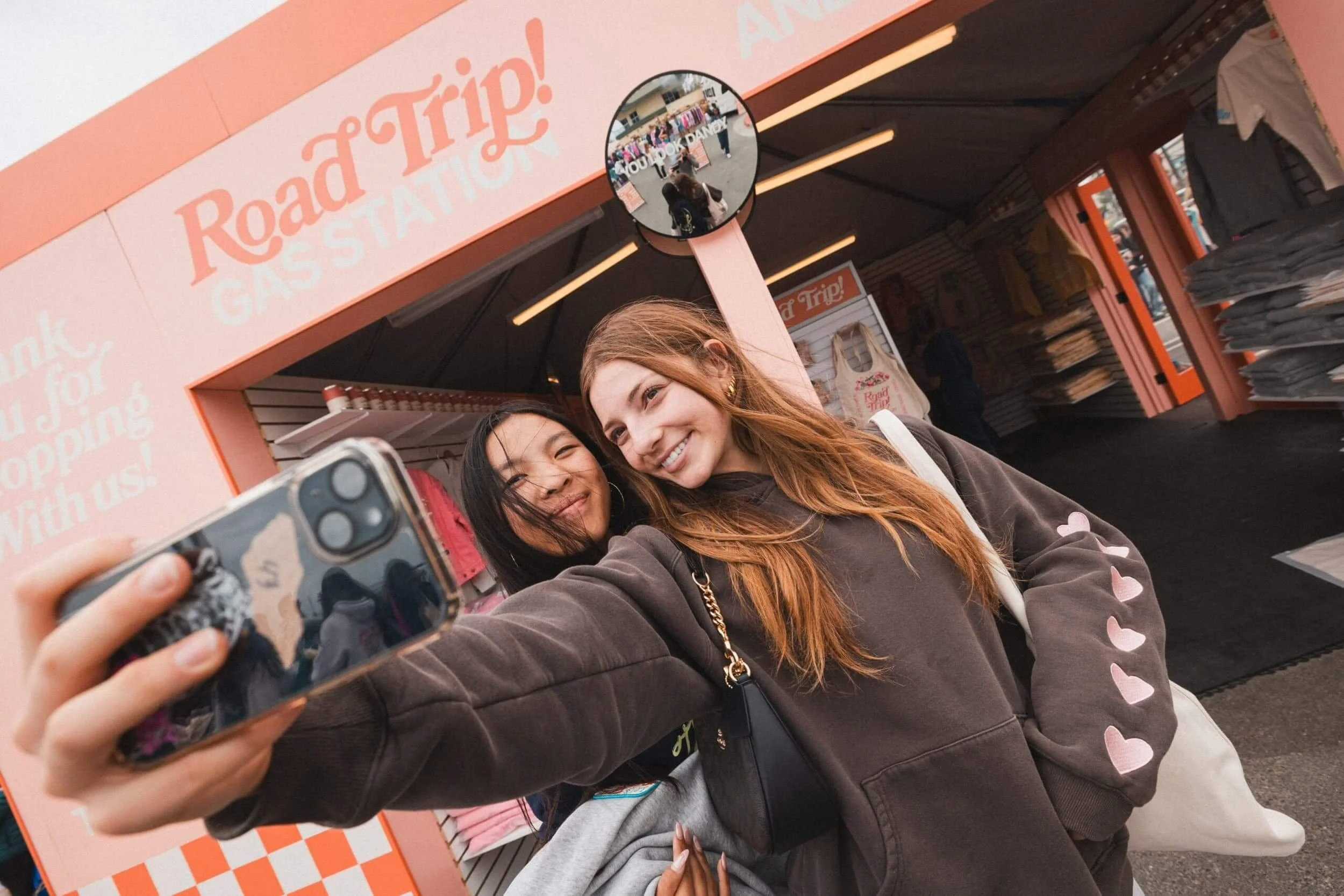
One of the biggest advantages of surprise is how naturally it encourages people to share what they have experienced. When something feels unique or genuinely unexpected, attendees are more likely to take out their phones, capture it, and post it. In that sense, surprise does more than create a moment — it creates content. The most effective activations are not designed to chase social media attention for its own sake. They create real excitement first, and the sharing follows naturally. When attendees voluntarily document the experience, the brand extends its reach far beyond the event floor and earns visibility through content that feels more authentic than a paid promotion.
Surprise Should Support the Story
Not every surprising detail adds value. If an unexpected moment feels disconnected from the brand, it may be memorable in a way that does not help the campaign. The strongest experiential activations use surprise to support a broader story, so the audience understands why the moment matters. That could mean a technology brand revealing a new product through an immersive installation that reflects innovation, or a food brand turning sampling into a playful discovery that reinforces creativity. The key is that the surprise should feel like part of the brand’s identity, not a standalone trick. When it is woven into the story, it strengthens the message instead of distracting from it.
Design Makes It Work
Surprise rarely happens by accident. It takes careful planning across creative strategy, production, fabrication, logistics, technology, and visitor flow. Teams need to think through where the audience enters, what they notice first, how curiosity is built, and what emotional response each step is meant to trigger. Even the practical details shape the experience. Lighting, sound, pacing, and queue management all influence whether the moment feels flat or memorable. The best activations feel effortless to attendees because the behind-the-scenes planning is doing so much work to make the experience feel natural.
Small Moments, Big Impact
A memorable activation does not always require a huge budget or high-tech production. Some of the strongest experiences come from simple ideas executed with care: a personalized interaction, a thoughtful reveal, a small reward, or a product demonstration that feels refreshingly different. When every detail supports the attendee journey, even a modest surprise can feel meaningful. That is one reason experiential marketing works across so many formats, from trade shows and festivals to retail pop-ups, conferences, and roadshows. The scale can change, but the principle stays the same: make the moment feel intentional.
Measuring the Impact
Experiential campaigns should still be tied to business goals. Brands increasingly look at dwell time, participation rates, lead generation, social engagement, repeat visits, and brand recall to understand whether an activation actually performed. Surprise can improve those outcomes because it keeps people engaged for longer and encourages more active participation. The goal is not simply to entertain the audience, but to create an experience that builds awareness, strengthens relationships, and contributes to measurable results.
Conclusion
Consumers are surrounded by marketing messages every day, which makes attention harder to earn and easier to lose. Experiential marketing stands out when it gives people something unexpected, meaningful, and worth remembering. When surprise is used thoughtfully, it does more than entertain. It helps brands create curiosity, deepen engagement, and leave a stronger impression long after the event is over.
