
The Difference Between Decorative and Functional Design
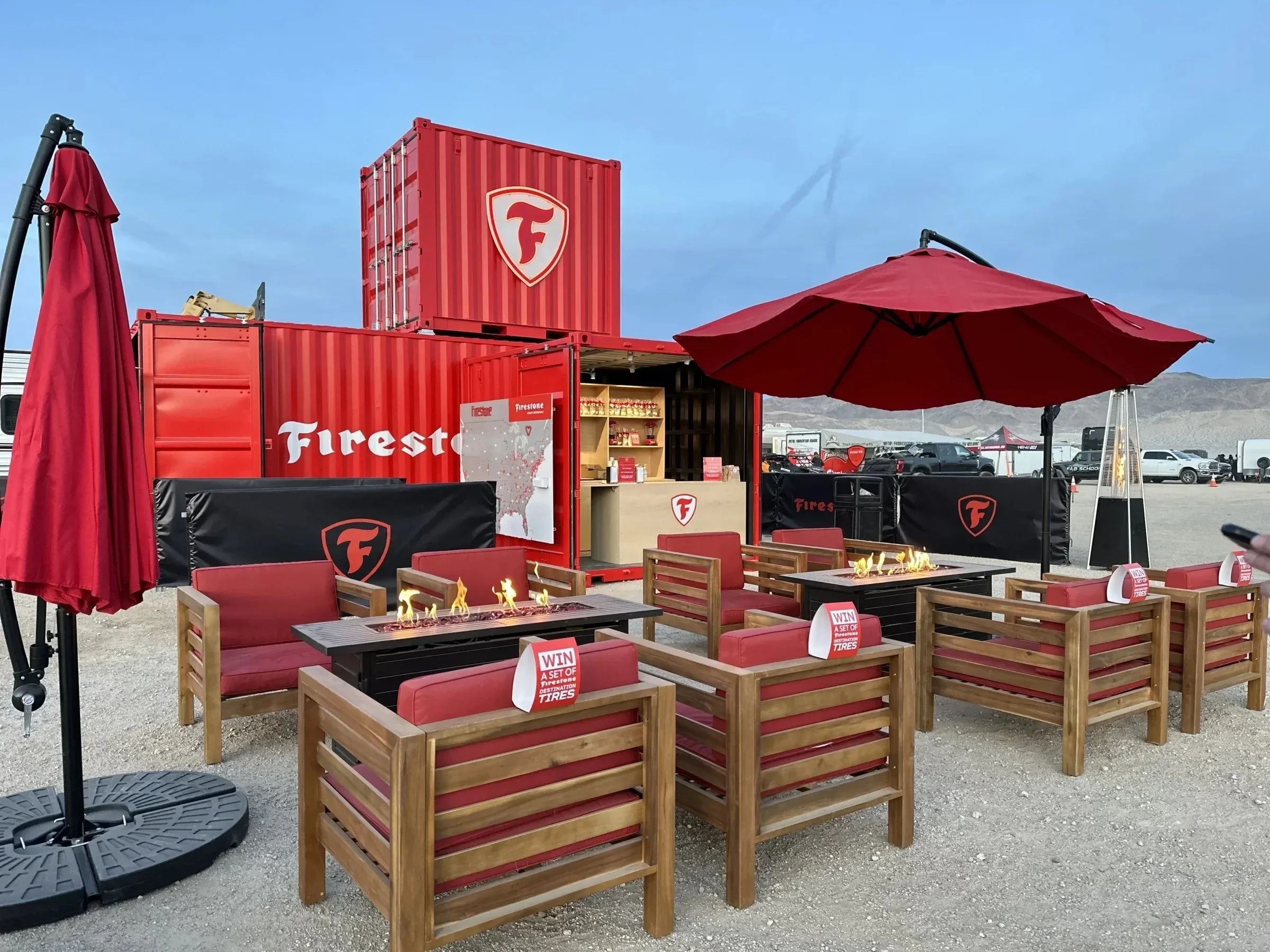
Experiential marketing depends on design to shape how people interact with a brand. Every physical environment, branded activation, trade show exhibit, pop-up installation, or mobile experience communicates something to visitors before a single conversation takes place. While many brands invest heavily in visual appeal, successful experiences rely on more than aesthetics alone. The distinction between decorative design and functional design often determines whether an activation simply attracts attention or delivers meaningful audience engagement.
Understanding Decorative Design
Decorative design focuses primarily on appearance. Its purpose is to create visual impact, attract attention, and establish a specific look or atmosphere. Within experiential marketing, decorative elements often include branded graphics, themed décor, custom finishes, lighting treatments, scenic installations, and other visual components designed to create an attractive environment.
The value of decorative design lies in its ability to generate interest. Visitors are naturally drawn to environments that stand out from surrounding spaces. Strong visual presentation helps brands create memorable first impressions and increases the likelihood that attendees will stop, observe, and take photographs. In crowded trade shows, festivals, and public activations, decorative design often serves as the first point of attraction.
For example, a brand might install a large illuminated logo sculpture at a festival or trade show to attract attention and encourage social sharing. While the installation may succeed in drawing crowds and generating photographs, its value remains largely visual if visitors leave without engaging further with the brand.
The challenge emerges when appearance becomes the primary objective. An activation may look impressive in photographs while creating friction for attendees who attempt to engage with the experience. Beautiful environments do not automatically produce meaningful interactions, product understanding, or brand recall.
Understanding Functional Design
Functional design focuses on how people move, interact, learn, and participate within an environment. Every design decision serves a purpose related to audience behavior and business objectives. Rather than asking whether a space looks attractive, functional design asks whether the experience works effectively for visitors.
In experiential marketing, functional design considers factors such as visitor flow, sightlines, accessibility, interaction points, product demonstrations, content visibility, queue management, and engagement opportunities. The goal is to make every aspect of the environment support the desired audience journey.
For example, a consumer electronics brand launching a new product may design a booth where visitors naturally move from a live demonstration to a hands-on testing area before speaking with product experts. In this case, the layout itself supports the brand's objectives by guiding attendees through a deliberate experience.
A product sampling activation succeeds when visitors can easily understand where to go, what to do, and how to engage with the brand. Clear pathways, intuitive layouts, strategically positioned demonstrations, and visible messaging all contribute to a smoother experience. These elements may not always be visually dramatic, but they directly influence participation rates and visitor satisfaction.
Why Functional Design Often Delivers Greater Results
Experiential marketing exists to influence audience perception and behavior. Whether the objective involves product education, lead generation, trial, awareness, or customer engagement, success depends on actions rather than appearance alone. Functional design supports those actions by reducing barriers between visitors and the brand experience. When participants can easily navigate an environment, understand messaging, and engage with activities, they spend more time interacting with the brand. Increased engagement frequently leads to stronger message retention and more meaningful connections.
Consider a beverage sampling activation. An attractive display may encourage people to approach, but clearly marked sampling stations, visible product information, and intuitive queue layouts often determine how many visitors ultimately participate. The difference between attracting attention and generating engagement often comes down to functionality. Research across environmental psychology and retail design consistently demonstrates that physical environments influence human behavior. Layout, navigation, visibility, and ease of movement affect how people interact with spaces. These same principles apply to experiential marketing environments where attendee attention is limited and competition for engagement remains high.
The Risk of Prioritizing Decoration Over Function
Many experiential activations begin with ambitious creative concepts. While creativity remains essential, problems arise when design decisions prioritize appearance at the expense of usability.
A visually impressive installation can sometimes create unintended obstacles. For instance, oversized scenic elements may block sightlines to demonstrations or presentations, causing attendees to miss the experience the brand intended them to see. Decorative structures may create bottlenecks that disrupt attendee flow. Highly stylized graphics may reduce message clarity. Interactive elements may appear impressive but fail to guide participants toward meaningful engagement. When these issues occur, brands often experience lower participation levels despite significant investment in creative execution. Visitors may admire the environment without fully understanding the brand message or intended experience.
The most successful activations avoid this disconnect by ensuring that every visual decision supports a functional objective.
How Leading Brands Balance Both Approaches
The strongest experiential programs do not choose between decorative and functional design. Instead, they integrate both disciplines from the beginning of the planning process. Decorative design attracts attention and establishes emotional appeal. Functional design converts attention into action. Together, they create experiences that are visually memorable and operationally effective. Automotive launches frequently demonstrate this balance. Premium lighting, dramatic displays, and high-end finishes create visual impact, while thoughtfully designed pathways allow visitors to explore vehicle features, speak with brand representatives, and participate in test-drive opportunities.
Consider a branded product showcase at a major industry event. Decorative design creates an environment that reflects the brand's identity and attracts attendees from across the show floor. Functional design ensures visitors can navigate the space efficiently, access demonstrations, interact with products, and absorb key messaging without confusion. The result is an experience that looks impressive while delivering measurable outcomes.
This balance becomes increasingly important as brands seek stronger returns from experiential investments. Stakeholders increasingly expect activations to produce tangible business value rather than simply generate visual impact.
Designing Around Human Behavior
The most effective experiential design strategies begin with understanding audience behavior rather than visual preferences. Designers first examine how visitors are expected to move through a space, what information they need at each stage, and which actions support campaign objectives.
A retail pop-up, for example, may place key messaging and product interactions along the routes visitors naturally follow rather than expecting guests to seek out information on their own. This approach reduces friction and increases engagement.
Once these behavioral considerations are established, decorative elements can enhance the experience without interfering with functionality. Visual storytelling becomes more effective because it supports the visitor journey instead of competing with it.
This human-centered approach often leads to stronger engagement because the environment feels intuitive. Visitors spend less effort figuring out how the experience works and more time interacting with the brand itself.
The Future of Experiential Design
As experiential marketing continues to evolve, functional design is becoming increasingly important. Brands are investing in experiences that produce measurable outcomes, encourage participation, and create meaningful connections with audiences. Visual appeal remains essential, but appearance alone is no longer enough. Future experiential environments will likely place even greater emphasis on user experience principles, behavioral insights, accessibility, and engagement design. Decorative elements will continue to play a critical role, yet their greatest value will come from supporting clear strategic objectives rather than existing solely for aesthetic impact.
The distinction between decorative design and functional design ultimately comes down to purpose. Decorative design helps people notice an experience. Functional design helps people participate in it. When both work together, brands create experiential environments that not only attract attention but also drive engagement, strengthen brand perception, and deliver measurable results.
