Event Staffing vs. Experiential Marketing
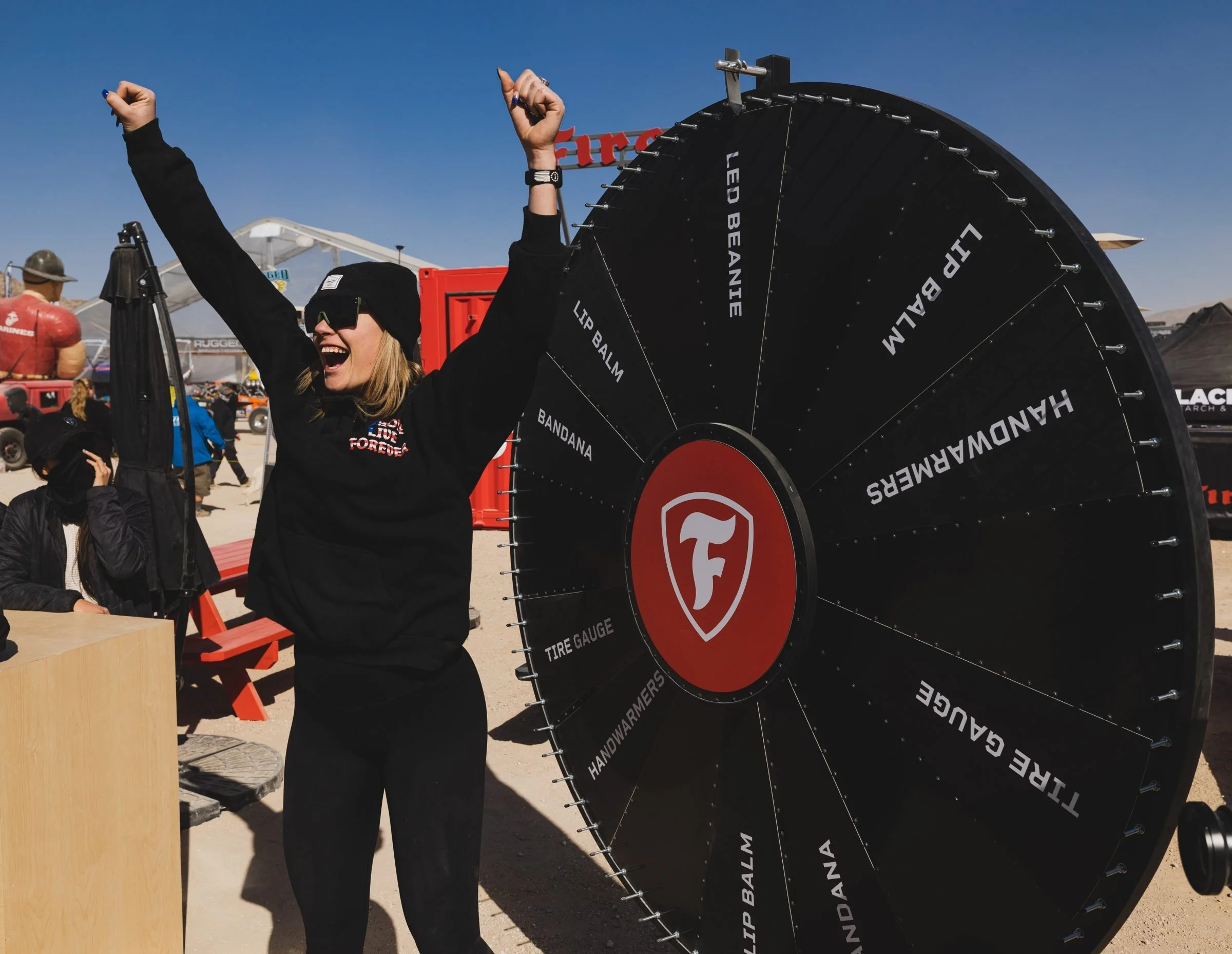
If you’ve ever walked through a festival, trade show, or retail activation and been greeted by a smiling brand ambassador handing out a sample, you’ve seen the frontlines of experiential marketing. While skilled staff are crucial, delivering a successful brand experience goes beyond a friendly face, because what people remember is not only the interaction but how the entire moment made them feel. The success of a smooth, memorable activation depends on strategists, creatives, producers, and analysts working together to shape something cohesive, something intentional, and something that stays with people long after they leave. This is where the difference between event staffing and experiential marketing starts to take shape.
You step into an activation and immediately sense the energy around you, from the music to the layout to the way people are being welcomed in. A brand ambassador offers you a product, but what makes you stay is how natural the interaction feels and how the experience unfolds around you. That feeling is never accidental. It is planned, built, and executed with a clear purpose behind every detail.
Before going further, here are three common questions that often come up:
What is the main difference between event staffing and experiential marketing?
Event staffing focuses on providing trained people to represent a brand, while experiential marketing focuses on building the full experience from concept through to execution, including how those staff engage with consumers in meaningful ways.
When do you need event staffing only?
You need staffing when the activation is already defined and you require reliable, trained individuals to step in and execute specific roles with consistency and professionalism.
Why combine both services?
You see stronger results when strategy and people align, because experiential marketing creates the direction while staffing delivers that direction through real, human interaction.
At Evolve Activation, the strongest activations begin with a clear purpose, where every role, every interaction, and every touchpoint works together to support a single story that the audience can understand and connect with.
The Role of Event Staffing
The day of an activation begins long before guests arrive, with staff stepping into the space early to understand their environment, their roles, and the expectations placed on them. They walk the floor, test the setup, and familiarise themselves with the product and messaging, so that when the first guest arrives, the experience already feels seamless and well prepared.
Event staffing agencies provide the people who bring activations to life, from brand ambassadors and hosts to promoters and models who engage directly with consumers throughout the day. These individuals do more than complete tasks, as they represent the brand in every conversation, every demonstration, and every interaction, shaping how people perceive the experience in real time. A strong ambassador knows how to read the moment, adapt their approach, and communicate in a way that feels genuine rather than scripted.
Behind the scenes, staffing agencies handle the operational side, from sourcing and training to scheduling and logistics, ensuring that every person on site is aligned with the brand’s expectations. This creates consistency across the experience, yet without a clear strategy guiding those interactions, even the most capable team can lack direction.
What Experiential Marketing Adds
While staffing focuses on the people you see on the ground, experiential marketing begins long before the event takes place, with teams working through the bigger picture of what the brand wants to achieve and how that should translate into a real-world experience.
Experiential marketing agencies start by defining the audience and the outcome, asking what people should feel, what they should remember, and what action they should take once the experience ends. From there, ideas take shape in the form of pop ups, mobile tours, or interactive installations, each designed to create a moment that feels engaging and intentional rather than random.
Execution then brings these ideas to life through careful planning and coordination, as venues are secured, permits are arranged, technology is integrated, and timelines are managed with precision. Staff are selected based on how well they fit the experience being delivered, ensuring that every interaction supports the overall concept rather than sitting outside of it.
When guests move through the activation, everything feels connected, even though they do not see the structure behind it. That structure is what experiential marketing provides, giving meaning to each touchpoint and ensuring that every part of the experience works together.

Why Combining Both Works Best
A well-designed activation without strong staff presence often feels flat, while a high-energy team without a clear message can create an experience that feels disjointed and unfocused. The most effective activations avoid both outcomes by bringing strategy and execution together in a way that feels natural and consistent.
At Evolve Activation, every campaign is built around alignment, where staffing, logistics, and creative direction all move in the same direction from the start. Consider a nationwide roadshow, where success depends not only on reaching multiple locations but on delivering a consistent experience in each one while still connecting with local audiences in a meaningful way.
Routes are carefully planned, permits are secured, and creative elements are developed to support the campaign, while the right ambassadors are placed in each location based on both the brand and the audience. This creates an experience that feels cohesive across every stop, yet still personal to the people engaging with it.
Measuring Impact
Once the event ends, the focus shifts from execution to understanding what worked and what can be improved, which is where experiential marketing continues to add value beyond the activation itself. Basic staffing reports tend to focus on attendance numbers and general feedback, while experiential marketing looks deeper into engagement levels, lead generation, social activity, and overall audience response. These insights provide a clearer picture of how the experience performed and where adjustments can be made. At Evolve, each campaign builds on previous learnings, using data to refine future activations so that each one performs better than the last and continues to resonate with audiences in a stronger way.
Do You Need Staffing, Experiential Marketing, or Both?
The answer depends on what you are trying to achieve and how defined your activation already is. If you have a clear plan in place and need people to execute it effectively, staffing will meet that need by providing trained individuals who can deliver on the ground. If your goal is to shape how people experience your brand from start to finish, experiential marketing provides the structure, direction, and creative thinking required to make that happen. In most cases, the strongest results come from combining both, as strategy defines the purpose while staffing brings that purpose to life through direct interaction.
At Evolve Activation, the focus remains on creating experiences that connect with people in a way that feels natural, engaging, and memorable.
It’s An Experience To Remember
Consumers look for connection and notice the details that shape their experience, often remembering how a brand made them feel long after the event itself has ended. When planning your next activation, it is worth thinking beyond the immediate interaction and considering the full journey, from what draws people in to what keeps them engaged and what stays with them afterward. That is where strong activations stand apart, as they create moments that feel considered, consistent, and worth remembering.
Key Takeaways
Event staffing brings the human element into your activation, ensuring that every interaction feels engaging and aligned with the brand.
Experiential marketing builds the structure behind the experience, shaping how each element connects and delivers meaning.
Combining both leads to stronger, more consistent activations that resonate with audiences.
Alignment between people, planning, and purpose drives better results across every touchpoint.
Post-event insights help refine future campaigns and improve overall performance.