
Designing Experiences People Want to Explore
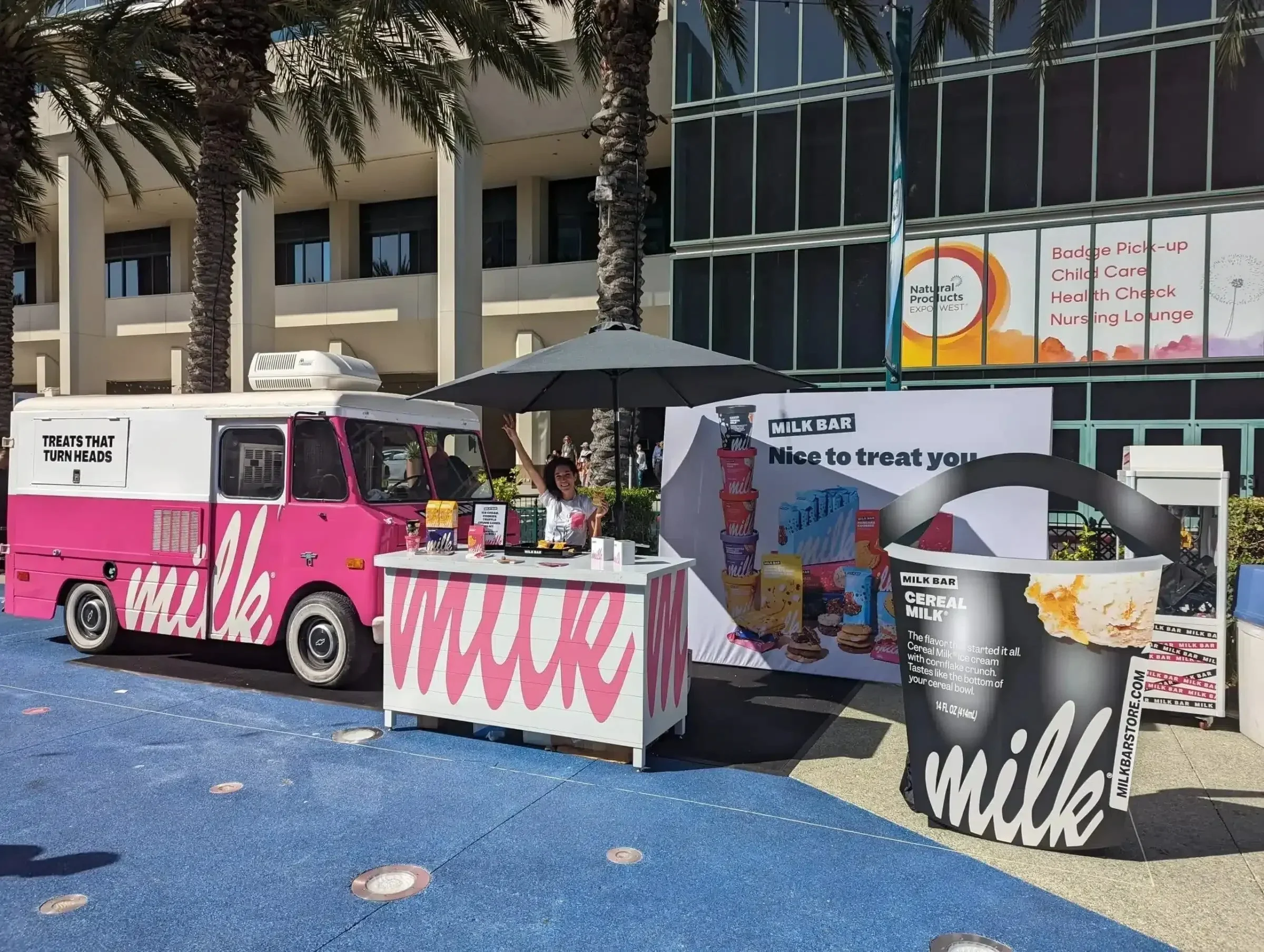
In experiential marketing, the difference between a forgettable activation and a magnetic brand moment is intentionality. The deliberate design of environments, narratives, and interactions that invite people to move, touch, laugh, and remember is what matters. When experiences feel like invitations rather than obligations, attendance rises, dwell time extends, social shares multiply, and brand loyalty strengthens. The strategic question is not how to get people to show up, but how to design experiences people genuinely want to explore, revisit, and recommend. Research on consumer behavior consistently shows that immersive, multi-sensory environments increase emotional engagement and memory retention compared with passive or digital-only touchpoints, and that experiences with clear narrative arcs and discoverable layers produce higher participation rates and longer engagement windows.
Research also confirms that when participants feel ownership over their journey, motivation to explore deepens and the experience becomes memorable because it is partially self-authored. This aligns with behavioral principles linking autonomy and perceived control to sustained engagement and positive affect. Multi-sensory design shapes perception, directs attention, and deepens emotional resonance in ways that visual design alone cannot. These principles form the foundation for designing experiences that people want to explore.
Start With Audience Insight and a Clear Participation Value
Two foundational choices determine whether people will explore: who the experience is for and what they gain by participating. Strategic design begins by answering who this experience serves, what benefit or social currency participants receive, and why the moment matters now. A second design choice is to treat attendees as co-creators rather than spectators, giving them agency to choose paths, unlock content, or contribute to a shared outcome.
When participants feel ownership over their journey, motivation to explore deepens and the experience becomes memorable because it is partially self-authored. This aligns with behavioral principles that link autonomy and perceived control to sustained engagement and positive affect. Audience insight translated into a compelling value proposition is the first step toward creating experiences people genuinely want to explore.
Build a Story With Discoverable Layers and Multi-Sensory Design
A strong concept anchors the experience in a recognizable theme or narrative that participants can follow, while discoverable layers reward curiosity. Four design elements create discovery: a clear narrative spine, optional side quests, hidden micro-content, and progressive revelations that unlock as people move. Multi-sensory storytelling reinforces the narrative through visual cues, soundscapes, tactile materials, and optional scent or taste moments that make the environment feel cohesive.
Multi-sensory design is not decorative; it shapes perception, directs attention, and deepens emotional resonance in ways that visual design alone cannot. Four layered choices balance accessibility with discovery: an intuitive entry point, a layout with micro-stages of varying interactions and emotional tones, clear wayfinding with visual anchors, and strategic gaps or hidden moments that invite exploration.
Remove Friction With Seamless Operations and Close the Loop With Measurement
Two invisible systems enable exploration: seamless flow and reliable interaction points. Strategic design anticipates peak moments, provides resting zones, and ensures participants can return to or share discoveries without friction. The experience should also be resilient to variability factors such as: weather, high attendance, or equipment failure — without breaking the narrative. When operations are invisible, the story remains the focus and the participant feels free to explore.
Four simple measures show how well the experience works and whether it helps the brand: how much people's feelings about the brand improve before and after the event, how long they stay at the experience, how likely they are to recommend it to others, and how many unique posts or photos they share online. Use tools already on-site like cameras, QR code scans, and interaction counts — to see where people go and what they like most. Then use what you learn to make the next experience better. When teams look at what happened, improve the idea, and test small changes, the experience gets stronger and more engaging over time.
Prepare for Near-Term Trends and Turn Invitations Into Measurable Loyalty
Four trends will shape the next wave of activations: hybrid integration, privacy-aware measurement, sustainability practices, and immersive technologies. Hybrid experiences blend live participation with digital extension to reach wider audiences while preserving the emotional core of live moments. Privacy-aware measurement respects participant data and builds trust, which is critical for long-term engagement. Sustainability in materials and operations signals responsibility and aligns with audience values. AR/VR and projection technologies offer new ways to create layered, discoverable content without expanding physical footprint.
To design experiences people want to explore, leaders must move from a checklist mindset to a design-thinking mindset that prioritizes invitation, agency, and discovery. Start with audience insight and a clear participation value, build a narrative with discoverable layers, design multi-sensory environments that guide yet reward exploration, ensure operations that remove friction, and close the loop with measurement that informs future design. When experiences feel like invitations to co-create a story, participants invest attention and emotion, and the brand gains lasting loyalty. The goal is not to fill space but to craft moments people remember, return to, and share — experiences that feel worth exploring because they are worth feeling.
